Driving in France: tolls, Crit'Air and the good roads
What the autoroute actually costs, why a sticker you order by post decides whether you can enter Paris or Lyon, and the free roads we take instead when the day allows it.

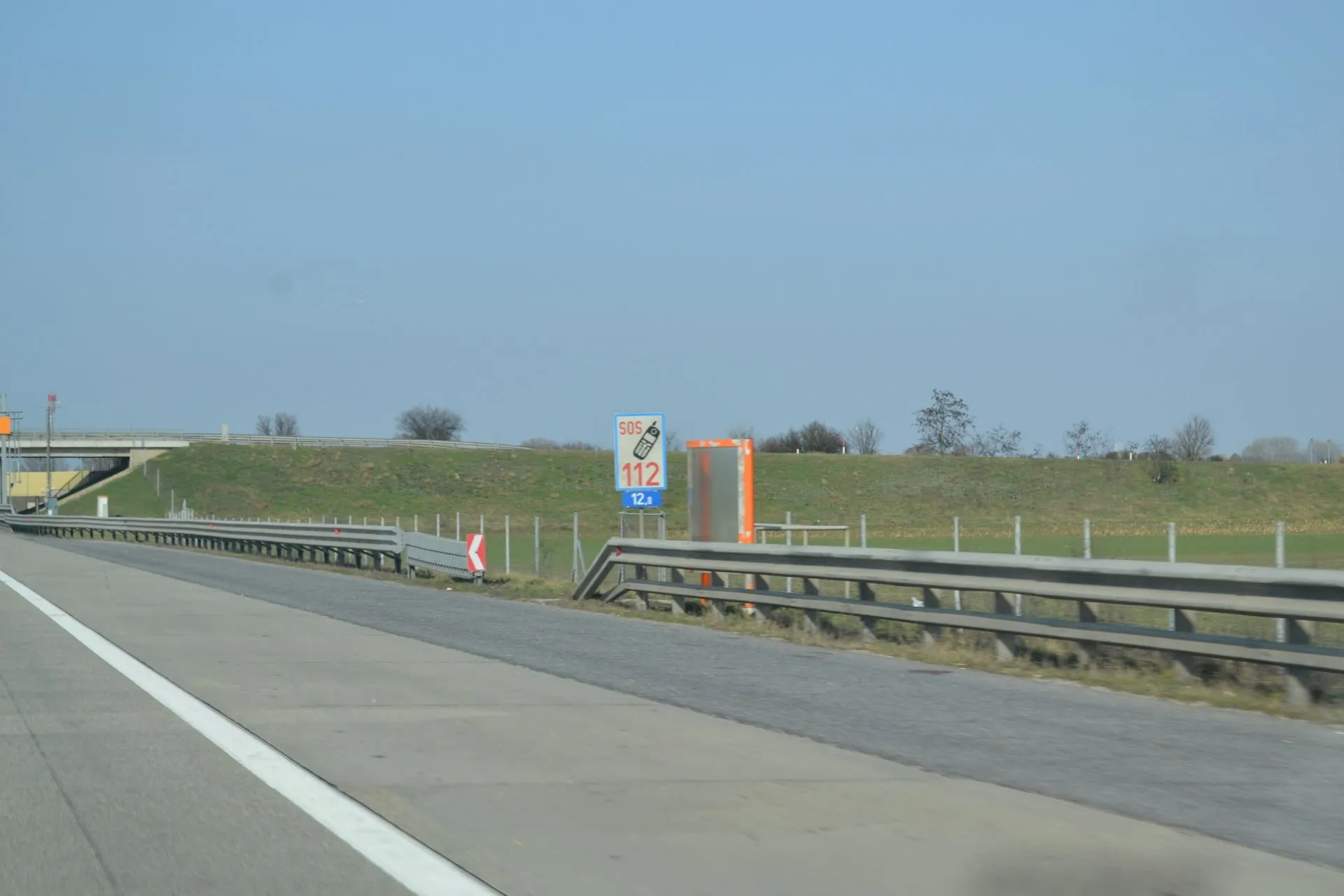
We cross France three or four times a year, usually with the van pointed south, and it took us longer than it should have to notice that the country runs two parallel road networks. There is the autoroute: fast, tolled, run by private concession groups, and priced so that on a long run the barriers cost us more than the diesel. And there is everything else, the routes nationales and the D roads, which reach the same places for nothing, take a couple of hours longer and feed you better on the way. Here is how we pay for the first, and when we give up on it entirely.
How French tolls actually work
Nearly every French motorway is a concession, operated by VINCI Autoroutes, APRR, Sanef or a handful of smaller companies, and each one publishes its own tariff grid revised once a year. The current VINCI class 1 grids came into force on 1 June 2026. Class 1 is where a normal car sits: up to 2 m high and up to 3.5 t. Load a roof box, or drive a raised van like ours, and you can tip into class 2, which costs noticeably more per kilometre. Measure your loaded height before you build the budget, not at the first barrier.
Most of the network is a closed system. You collect a ticket where you join, pay where you leave, by card at the barrier or in an orange lane marked with a lowercase 't' if you carry a badge. Some short sections have open plazas with a flat charge instead. The change worth knowing about is free-flow tolling: no barriers at all, just a gantry that reads your plate at speed. The A79 across the Allier was the first, and the A13 and A14 out of Paris towards Normandy switched over in April 2025. If you drive one of those without a badge, you have 72 hours to pay online with your plate number. Miss the window and a surcharge follows you home, which for a foreign plate means a letter weeks later.
We keep a télépéage badge in the glovebox. It costs a couple of euros for each month you actually use it, and it buys you the fast lane and one monthly invoice, not a discount. For a single two-week holiday it is not worth the paperwork. If you cross the country more than twice a year, it is.
What the paid roads cost us (2026, class 1 car)
- Class 1 vehicle
- Up to 2 m high, up to 3.5 tA roof box or a raised van can push you into class 2
- VINCI Autoroutes tariffs
- Current grids in force since 1 June 2026Use the operator's journey simulator for your exact route
- Millau viaduct on the A75
- €11.30, or €13.80 from 15 June to 15 SeptemberThe only toll on an otherwise free motorway; rates revised each 1 February
- Free-flow sections (A79, A13, A14)
- Pay online within 72 hoursOr fit a badge and forget about it
- Télépéage badge
- Around €2 per month usedBuys the 't' lane and one bill, not a lower toll
Source: VINCI Autoroutes; confirm current prices on the operator's site
Crit'Air, the ZFEs and the 2026 twist
The Crit'Air sticker is a small round disc that classifies your car by fuel and Euro standard, and it is what French cities use to decide who may drive in. It costs €3.11 plus postage, order it only from certificat-air.gouv.fr, and it is valid for the life of the vehicle. Foreign plates are not exempt: the official site takes non-French registrations, has English and German versions, and asks you to upload a copy of your registration document. The catch is that the sticker arrives by post, so order it two to three weeks before you leave rather than the night before the ferry. Every site charging you €20 for the same disc is a reseller.

The 2026 twist is worth understanding before you plan around rumours. Parliament voted in April to abolish the low-emission zones as part of the loi de simplification de la vie économique, French motoring headlines announced the end of the ZFEs, and on 21 May 2026 the Conseil constitutionnel struck that article out of the law as unrelated to the rest of the text. The zones are therefore still standing and still enforced. What has changed on the ground is the direction of travel: existing restrictions stay, but nobody is tightening them or opening new zones while the political argument runs.
Zones we plan around (rules in force in 2026)
- Grand Paris (77 communes inside the A86)
- Crit'Air 3, 4, 5 and unclassified barred, 8:00-20:00 on weekdaysFree at night, at weekends and on public holidays
- Lyon
- Crit'Air 3, 4, 5 and unclassified barred since 1 January 2025Crit'Air 2 due to follow in the central zone from 2028
- Grenoble
- Crit'Air 3, 4, 5 and unclassified barred, Monday to Friday 7:00-19:0013 communes for cars, wider for commercial vehicles
- Strasbourg
- Crit'Air 3, 4, 5 and unclassified barred, 24 hours a day33 communes across the Eurométropole
- Marseille and Aix
- Crit'Air 4, 5 and unclassified barred, 24 hours a dayInside the boulevards; in force since September 2023
- Montpellier
- Crit'Air 3, 4, 5 and unclassified barred11 communes, with transit routes left open
Source: Mieux Respirer en Ville (French government); check your city before you drive in
The roads we actually prefer
Once the sticker and the badge are sorted, the interesting question is how much motorway you want at all. France is unusual in western Europe for having kept a dense free network alongside the toll one. The A75 runs from Clermont-Ferrand down to Béziers at motorway standard and costs nothing except the Millau crossing. The old N7 still exists under a pile of D numbers and will take you from Burgundy to the Mediterranean past plane trees and shuttered garages. Speed limits are the trade: 130 on the autoroute, 110 in rain, and 80 on ordinary two-way roads, though many départements have put stretches back to 90.
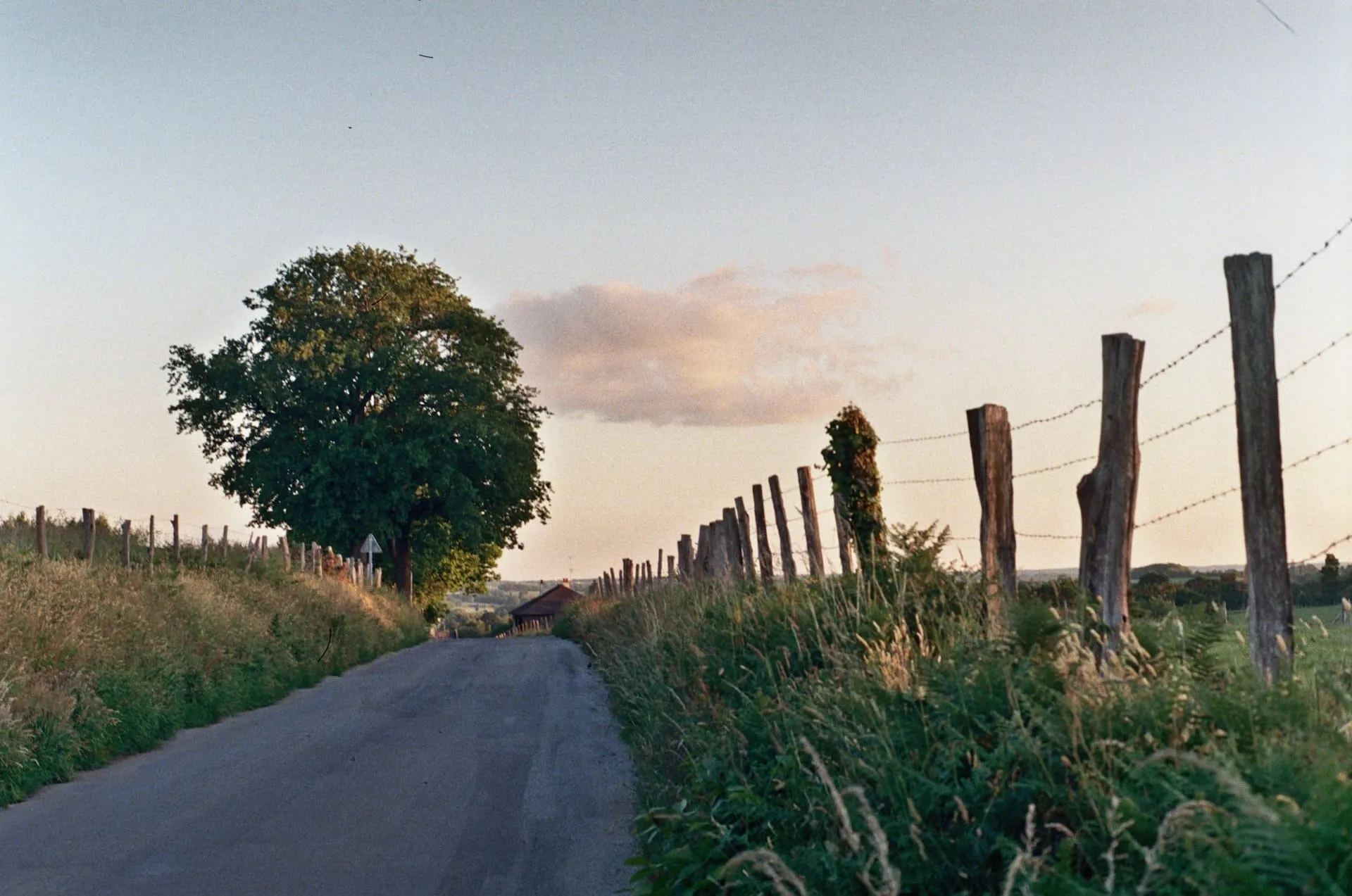
None of this is complicated once it is done once. Sticker ordered in good time, badge in the glovebox, the free-flow sections noted, and a rough idea of which cities want what. After that France is the easiest big country we drive, and the part worth spending your attention on is which road you take, not what it costs.
Sources & further reading
We check the facts in this guide against official sources and note when we last updated it.
Questions we get asked
Do I need a Crit'Air sticker if my car is registered outside France?
Yes. The low-emission zones apply to every vehicle in the zone, whatever the plate, and there is no visitor exemption. Order it from certificat-air.gouv.fr, which accepts foreign registrations and works in English and German; you upload your registration document and the disc is posted to you, so allow two to three weeks. The fee is €3.11 plus postage, which is a little higher for an address outside France.
Is a télépéage badge worth it for one holiday?
Probably not. The badge gives you the reserved lane and a single monthly bill, but no reduction on the toll itself, and you pay a small subscription for each month you use it. A card at the barrier works fine for two weeks. The one case where it earns its keep on a short trip is a route over the free-flow sections such as the A13 and A14, where a badge saves you remembering to pay online within 72 hours.
Can I drive across France without paying any tolls?
Yes, and it is easier than in Italy or Spain. The routes nationales and departmental roads are free everywhere, and a few motorways are toll-free too, notably the A75 through the Massif Central apart from the Millau viaduct, and most of Brittany. Budget an extra two to three hours on a long north-south run and remember that fuel consumption goes up in town traffic, so the saving is smaller than the toll figure suggests.
Keep reading

Practical
What a month on the road actually costs
Thirty-one days, four countries, 4,300 km and one diesel van: our real spend, line by line, and the costs you can price before you leave.
Country guides
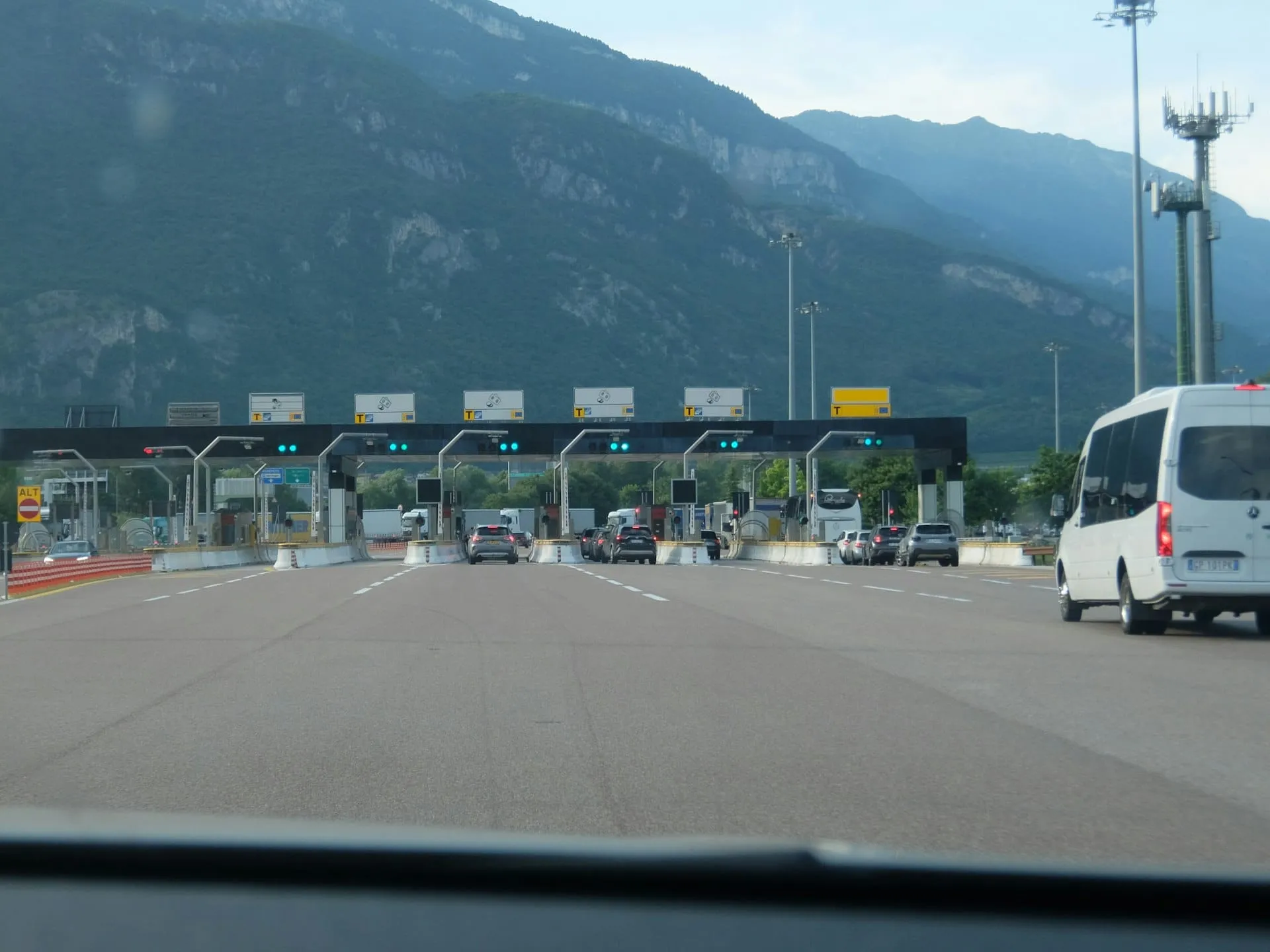
Driving in Italy: ZTLs, autostrada and not getting fined
The cameras never flash and the fine arrives months later. How we handle Italy's ZTL zones, what the autostrada really costs per kilometre, and which parking lines you can actually park on.
Routes
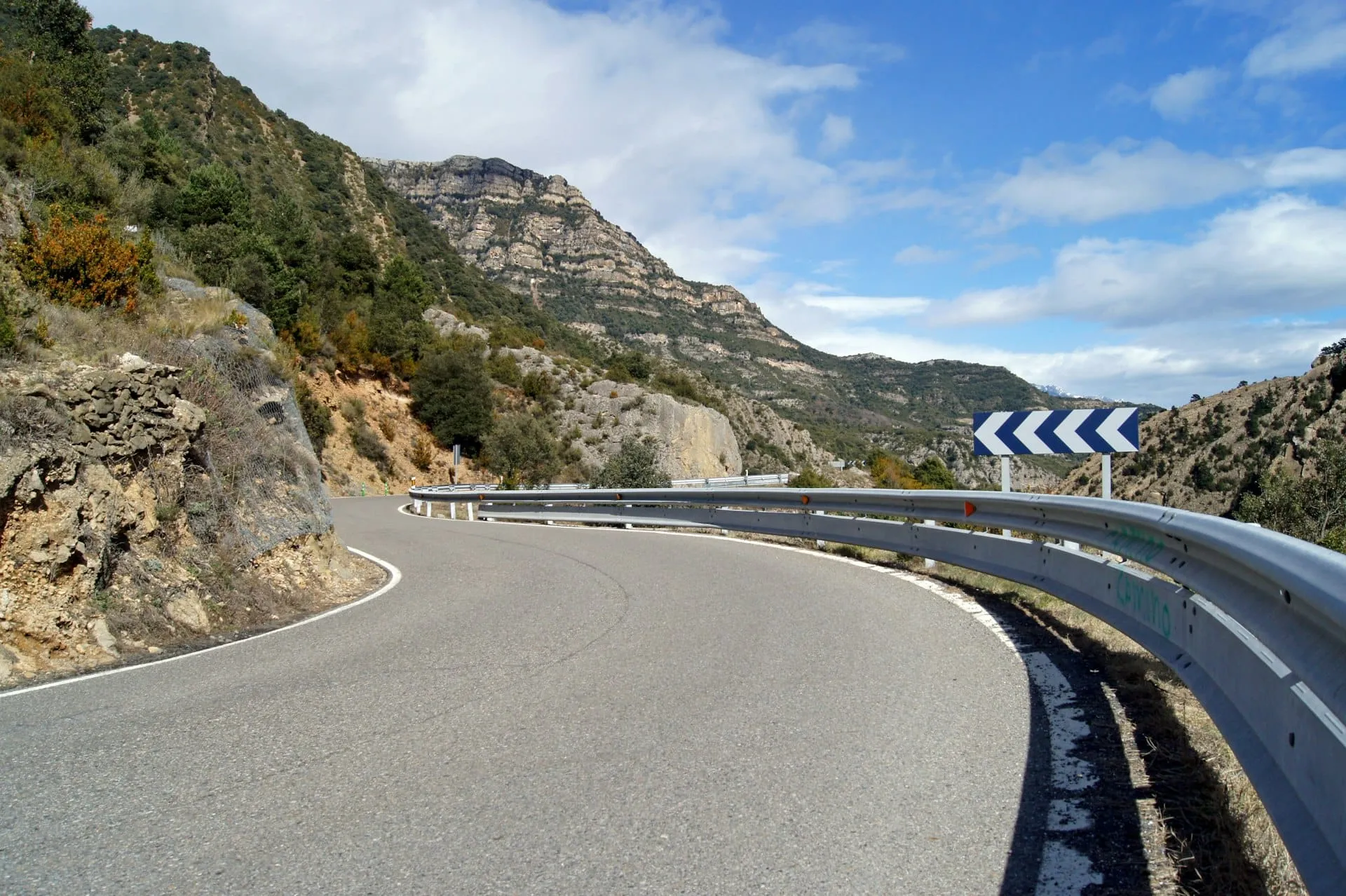
Crossing the Pyrenees: coast to coast on the mountain roads
Seven days from Hendaye to Cerbère over the Tourmalet, Aubisque and Envalira, dipping into Spain and Andorra - our route, the col heights, and the rules that changed in 2026.