Driving in Italy: ZTLs, autostrada and not getting fined
The cameras never flash and the fine arrives months later. How we handle Italy's ZTL zones, what the autostrada really costs per kilometre, and which parking lines you can actually park on.

Our first Italian fine arrived by post the following spring, long after we'd forgotten the trip that earned it. A camera in Pisa had photographed our plate crossing into the old town at 4pm, and the notice took its time finding a German address. Nothing about driving in Italy is hard, exactly - the motorways are good and the toll maths is simple - but the country runs on rules that are invisible until you break them. Here is what we know now that we didn't then.
The autostrada: cheap by the kilometre, confusing by the lane
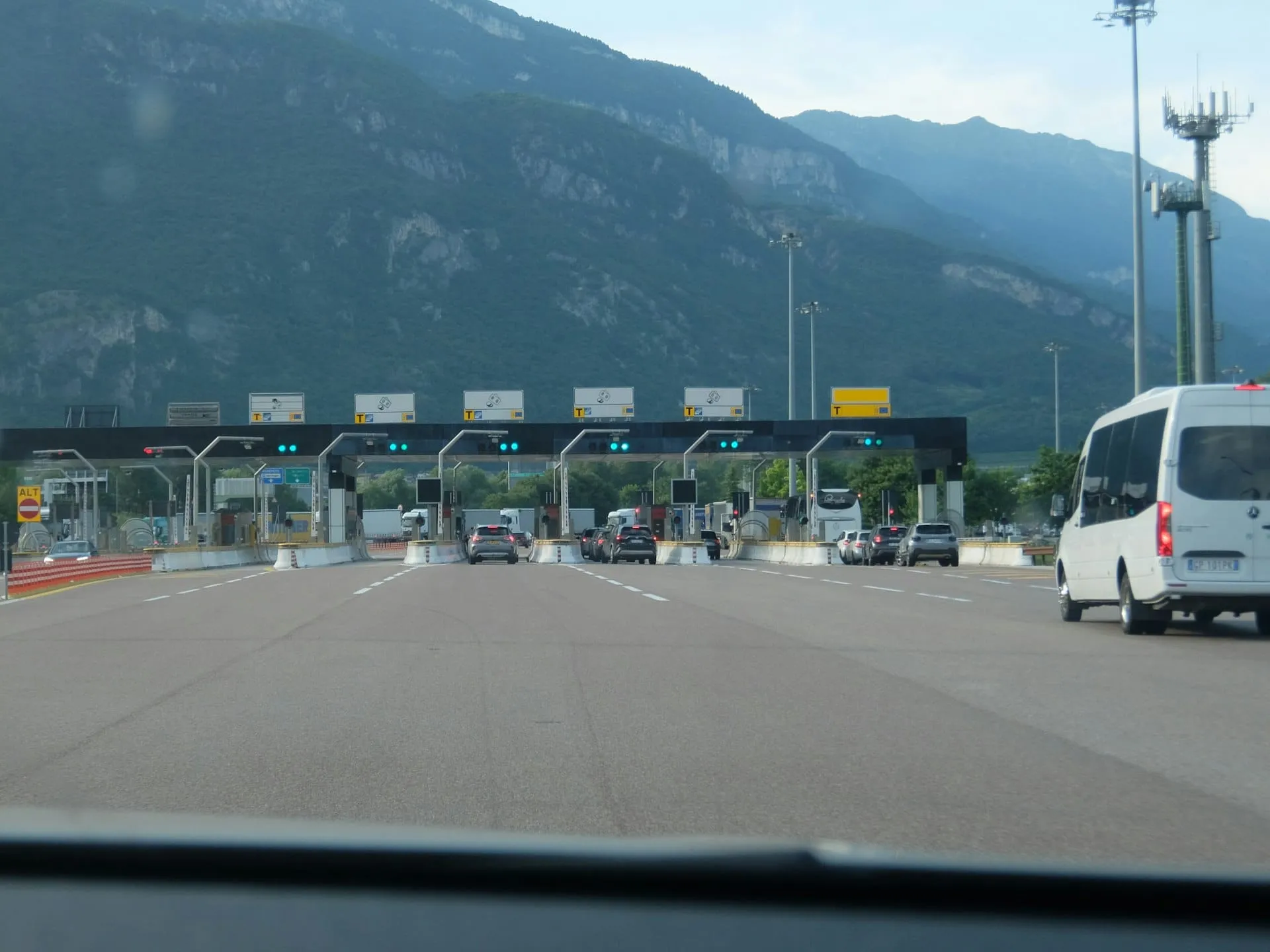
Italian motorways use a closed system. You pull a ticket at the entry barrier, hand it over at the exit, and pay for the distance driven. On the Autostrade per l'Italia network a normal car (class A) pays €0.07869 per kilometre on flat stretches and €0.09315 in the mountains, VAT included, as of January 2026 - so a 300 km leg costs roughly €24 to €28. Different concessionaires run different stretches and rates vary slightly, but the order of magnitude holds across the network.
The stress is not the price, it's the exit plaza. Lanes marked with a yellow T are for Telepass, the electronic tag Italians clip to their windscreens. Lanes with a blue card symbol take bank cards; lanes with the cash symbol take coins and notes and are the only ones with a human some days. Sort yourself early, because reversing out of a toll lane is both illegal and mortifying.
ZTLs: the quietest trap in European driving
A ZTL (zona a traffico limitato) is a restricted zone covering most Italian historic centres - Rome, Florence, Bologna, Pisa, and hundreds of smaller towns have one. Only registered vehicles may enter, usually residents, taxis and deliveries. The boundary is marked by a round sign, a red ring on white, with the active hours below it, and a camera reads every plate that crosses. There is no barrier, no flash, no warning. If your plate isn't in the database, the fine is generated automatically, and by the time it reaches you there is nothing to argue about.
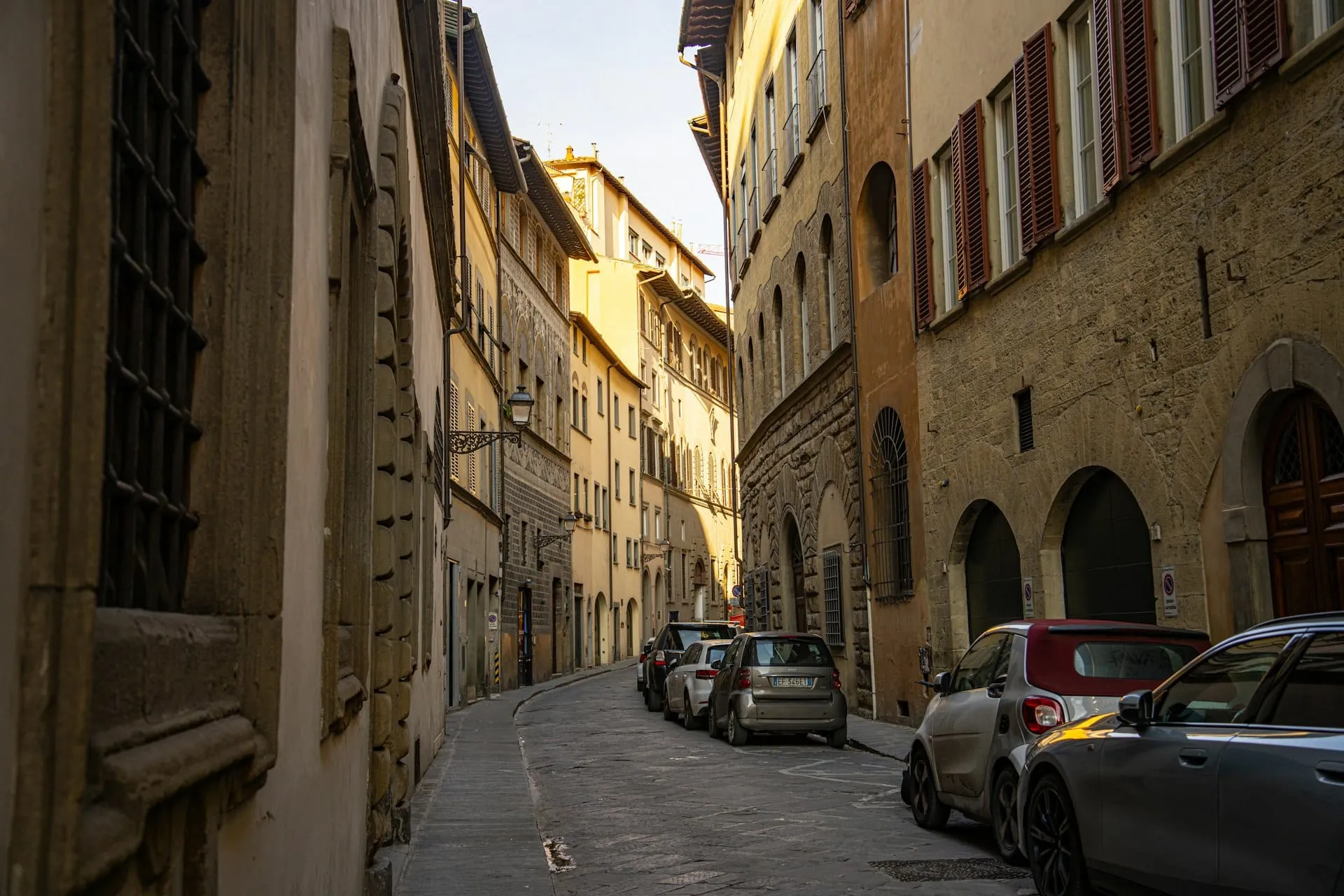
Two things make ZTLs expensive rather than annoying. First, each camera passage is a separate violation, so a wrong turn that takes you past three gates while you look for a way out can cost three fines of roughly €80 to €100 each, plus postal and rental-company admin fees. Second, hours differ by city and some zones switch off at night or in August, which teaches people the fatal habit of chancing it. Our rule: we park outside the ring and walk, always, and the one exception has a paper trail.
Milan is its own system
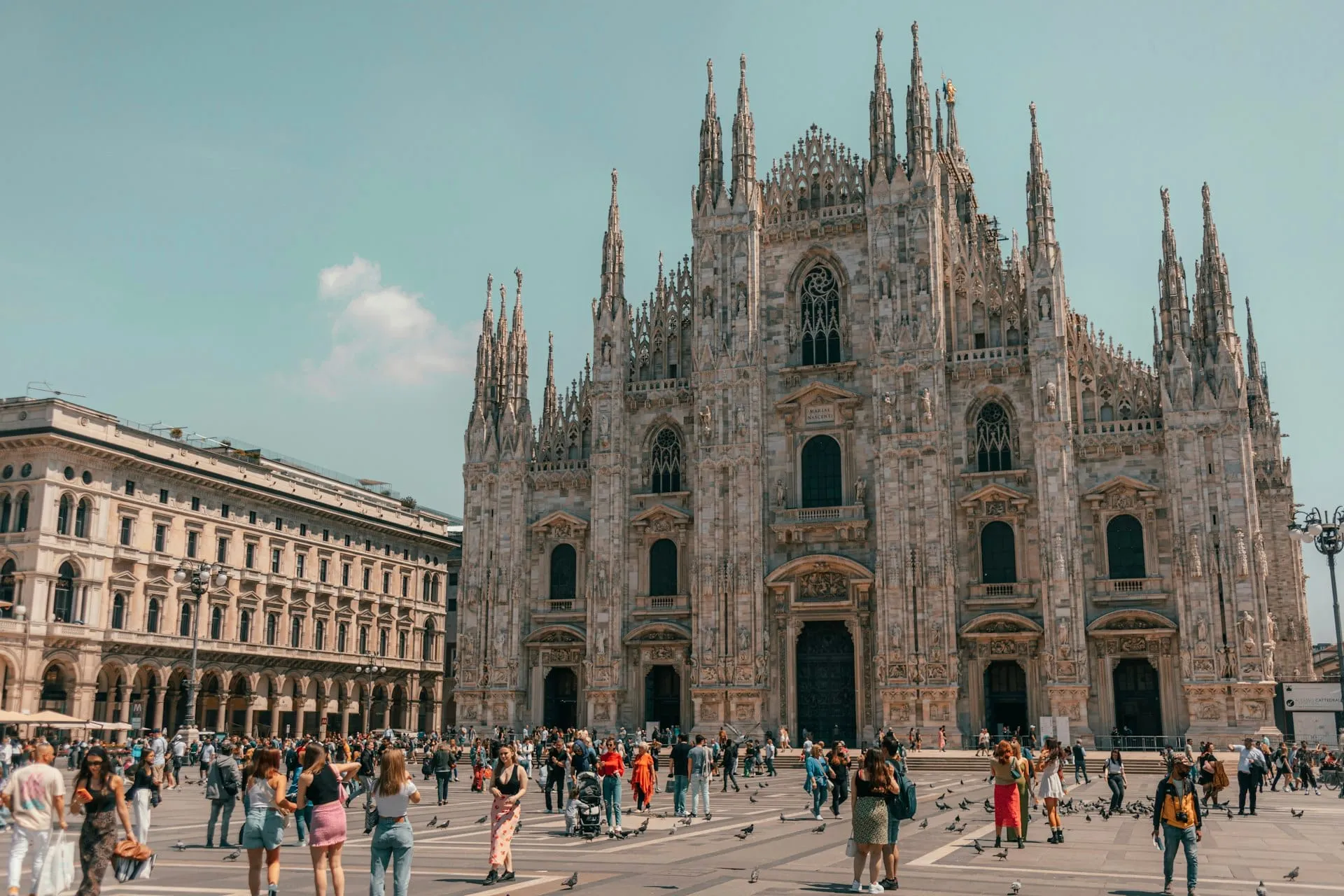
Milan doesn't do a classic ZTL for the centre. Instead there's Area C, a congestion charge for the innermost ring (the Cerchia dei Bastioni): on weekdays from 7:30 to 19:30 you pay €7.50 for the day, bought online through the city's portal, and cameras at 43 gates check plates against payments. Around it sits Area B, a low-emission zone covering most of the city that bans older diesels outright. Both are run by the Comune di Milano and the rules tighten every year or two, so check the official page in the week before you drive in, not the month before.
Parking: read the lines, not the other cars
- Blue lines: paid public parking. Pay at the meter or by app and display the ticket; rates are per hour and posted on the sign.
- White lines: free in principle, but in Rome and some other cities white bays are reserved for residents - the sign, not the colour, has the final word.
- Yellow lines: reserved. Disabled permits, loading, buses, car sharing. Never yours, however briefly.
Italy driving costs at a glance (2026, class A car)
- Autostrada toll, flat terrain
- €0.07869 per kmAutostrade per l'Italia network, VAT included
- Autostrada toll, mountain stretches
- €0.09315 per kmMore viaducts and tunnels, higher rate
- Milan Area C day ticket
- €7.50Weekdays 7:30-19:30, Cerchia dei Bastioni
- Typical ZTL fine
- €80-100 per camera passagePlus postal and rental admin fees; no licence points
Source: official operator and city pages; confirm current prices before you go
None of this should put you off. Italy rewards drivers more than almost anywhere in Europe - the SS45 through the Trebbia valley, the Chianti back roads, the coast under Gargano. The trick is just to treat the cities the way Italians increasingly do: park at the edge, take the tram in, and save the car for the roads it's actually for.
Sources & further reading
We check the facts in this guide against official sources and note when we last updated it.
Questions we get asked
I think I drove into a ZTL by accident. What now?
Wait. There is nothing to pay proactively and no office to call; if a camera caught you, the fine will arrive by post, for foreign plates often months later, or via your rental company with an admin fee added. Pay it promptly when it comes - many municipalities discount fines paid within 5 days - and check whether one wrong turn produced several notices, one per camera gate. Each is billed separately.
Is Telepass worth getting for a holiday?
For a single trip, no. Cards work at every barrier and contactless is quick. Telepass makes sense if you'll cross Italy several times a year - visitors can get short-term 'Telepass per tutti' style offers, and some foreign toll tags, like the French Bip&Go, also work on Italian motorways. For two weeks, just avoid the yellow T lanes and you lose nothing.
Can I skip tolls by staying off the autostrada?
Yes, the strade statali (SS roads) are free and often lovely, but budget real time: they pass through every town, and 300 km can take five hours instead of three. We mix them - autostrada for the boring transfers, state roads when the road is the point. At around €8 per 100 km, the Italian autostrada is cheap enough that avoiding it purely to save money rarely pays.
Keep reading
Country guides
Driving in France: tolls, Crit'Air and the good roads
What the autoroute actually costs, why a sticker you order by post decides whether you can enter Paris or Lyon, and the free roads we take instead when the day allows it.
Practical
What a month on the road actually costs
Thirty-one days, four countries, 4,300 km and one diesel van: our real spend, line by line, and the costs you can price before you leave.
Practical
Low-emission zones explained: can you drive into European cities?
Crit'Air, Umweltzone, ZTL, Area C: how the sticker and camera systems work, per city, and the one official database we check before every city run.