Border crossings in Europe by car: Schengen, non-Schengen and what to have ready
Most European borders are a blue sign at 100 km/h. A few still stop you, and three of them catch drivers out every summer: spot checks inside Schengen, Swiss customs and the Green Card zone in the Balkans.

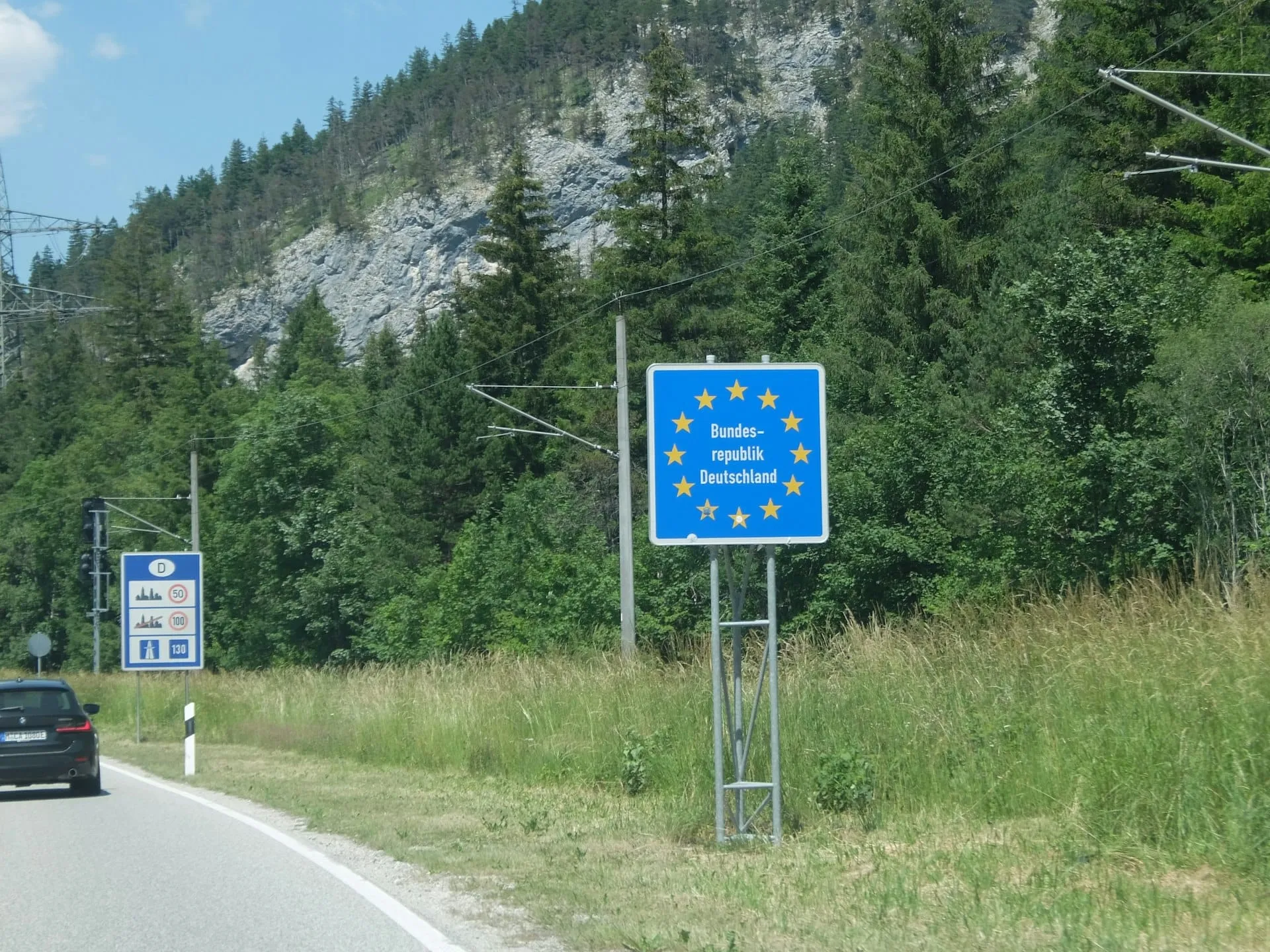
On our first long trip we crossed from Austria into Germany near Scharnitz, saw the blue sign with the gold stars and kept rolling. Two years later, on the same road, a police officer waved us into a lay-by and asked for both passports. Nothing was wrong. The rules had simply shifted, and they keep shifting. This is how we sort European borders in our heads before a trip, and what sits in the door pocket when we reach one.
Inside Schengen: open, with spot checks
The Schengen area has 29 countries: 25 EU members plus Iceland, Norway, Switzerland and Liechtenstein. Bulgaria and Romania have been full members, land borders included, since 1 January 2025. Ireland stays outside, and Cyprus has not yet lifted its controls. In principle you drive between Schengen countries without stopping.
In practice, countries can bring back internal checks for a limited time, and many have. As we write this in October 2026, the European Commission's list shows Germany checking at its land borders with all nine neighbours until 15 March 2027, Austria at its borders with Slovakia, Czechia, Hungary and Slovenia until the same date, and Poland at its borders with Germany and Lithuania until 30 March 2027. France, Denmark, Sweden and Norway have notified controls too, running into autumn 2026.
For a driver this mostly means a slow lane and a glance through the window, sometimes a 20-minute queue on the A8 at Salzburg or the A93 at Kufstein. It also means an open border is no excuse to leave documents at home. Everyone in the car needs a valid passport or national ID card. A driving licence is not a travel document.
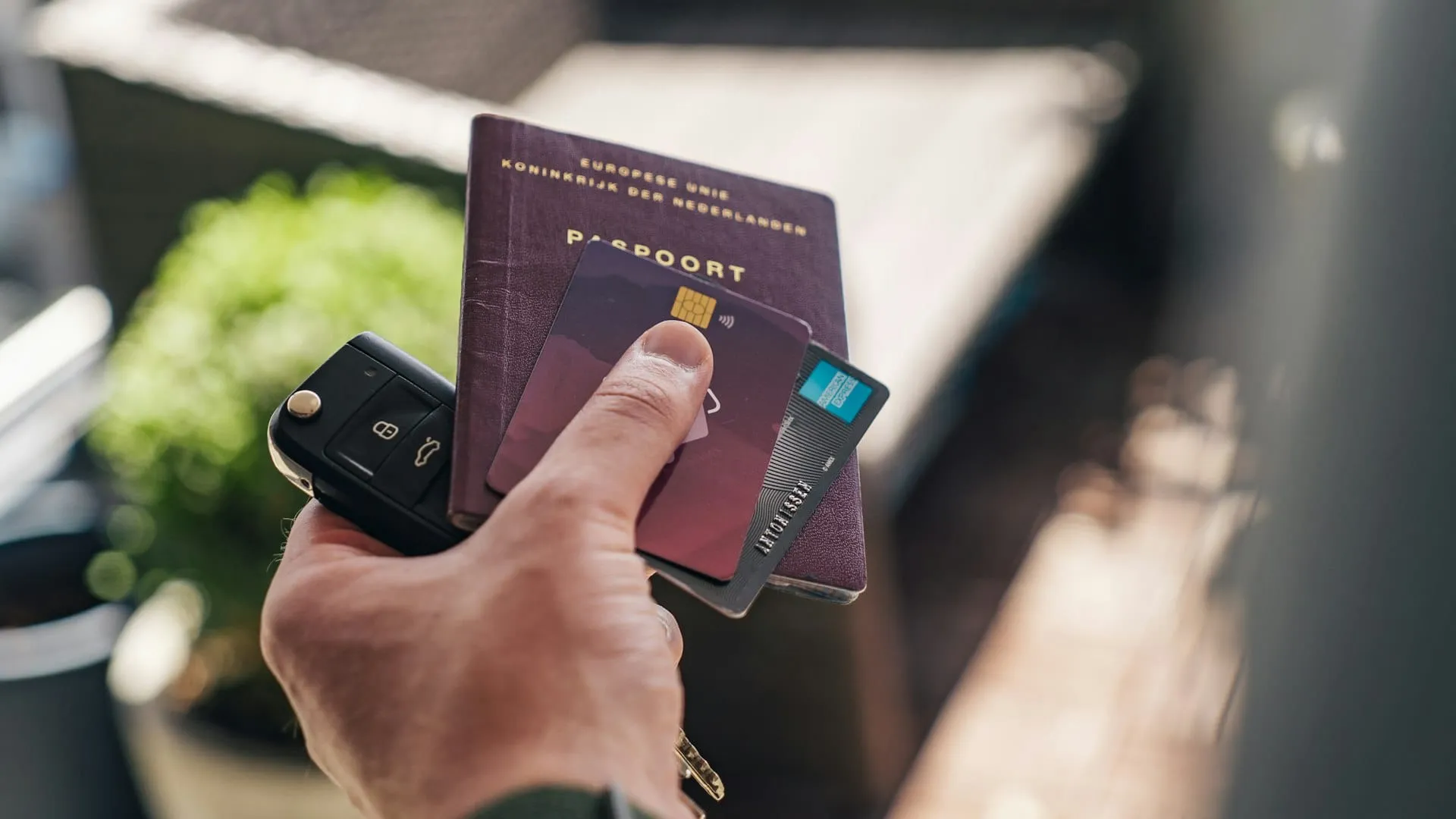
External borders and the Entry/Exit System
Leave Schengen by road and you meet a real border post: Croatia into Bosnia or Montenegro, Greece into Albania or North Macedonia, Hungary into Serbia, and the ferry ports for the UK. Since 10 April 2026 the EU's Entry/Exit System is fully in operation at these borders. If you travel on a non-EU passport for a short stay, your fingerprints and a face photo are recorded the first time you enter, and the system counts your days electronically instead of stamping your passport. The 90 days in any 180 rule has not changed, it is just counted by a machine now.
EU, EEA and Swiss citizens are not registered, but they wait in the same line of cars. We have crossed at Karasovići, between Croatia and Montenegro, in six minutes on a May morning and in an hour and three quarters on an August Saturday. Small crossings before 8 am are our rule. ETIAS, the paid travel authorisation for visa-free visitors, had still not started when we wrote this, so check the official EU page for the current date and ignore sites that already sell it.
What we have ready at any border
- Passport or national ID
- One per person, children includedNeeded even inside Schengen during temporary controls
- Vehicle registration
- Original documentPlus a signed letter from the owner if the car is not yours
- Driving licence
- Original, validNot accepted as a travel document
- Insurance card (Green Card)
- Mandatory in Albania, North Macedonia, Montenegro, Moldova, Ukraine and BelarusNot valid in Kosovo: border insurance is sold at the crossing
- Swiss customs limit
- CHF 150 of goods per person per dayIncludes 1 kg meat, 5 l wine or beer, 1 l spirits
Source: ÖAMTC and Swiss customs; confirm current rules before you travel
Switzerland: no passport check, but customs
Switzerland is in Schengen but not in the EU customs union, so the officer at Basel or Chiasso cares less about who you are and more about what is in the boot. Since 1 January 2025 the tax-free limit is CHF 150 of goods per person per day, down from CHF 300. Go over it and you pay Swiss VAT on the whole amount.
Food and drink have their own quantity limits, also per person per day: 1 kg of meat and meat products, 1 kg or litre of butter and cream, 5 litres of alcohol up to 18% and 1 litre above it, and 250 cigarettes. Alcohol and tobacco allowances apply from age 17. Above the limits, duty is charged per kilo or litre, CHF 17 per kilo for meat. We learned this with a van fridge full of Italian salami and prosciutto bought in Aosta before the Great St Bernard. Two of us, so 2 kg free, and we were carrying about 3.
The Balkans and the Green Card zone
Inside the EU, and in Switzerland, Norway and the UK, your number plate is proof of insurance. Further south-east that stops being true. The Austrian motoring club ÖAMTC lists the International Insurance Card, still called the Green Card by everyone, as mandatory in Albania, North Macedonia, Montenegro, Moldova, Ukraine and Belarus. In Serbia it has not been legally required since 2012, but ÖAMTC still recommends carrying it. Your insurer issues it free of charge, and you should check that the country codes you need (AL, MNE, MK) are not crossed out.
Kosovo is the exception: the card is not valid there, and you buy border insurance at a booth on entry. There is a second trap. If you enter Kosovo from Albania, North Macedonia or Montenegro, Serbia may refuse to let you in directly from Kosovo afterwards, because it does not treat that line as an international border. Plan a loop that leaves Kosovo the way it came in, or go around.
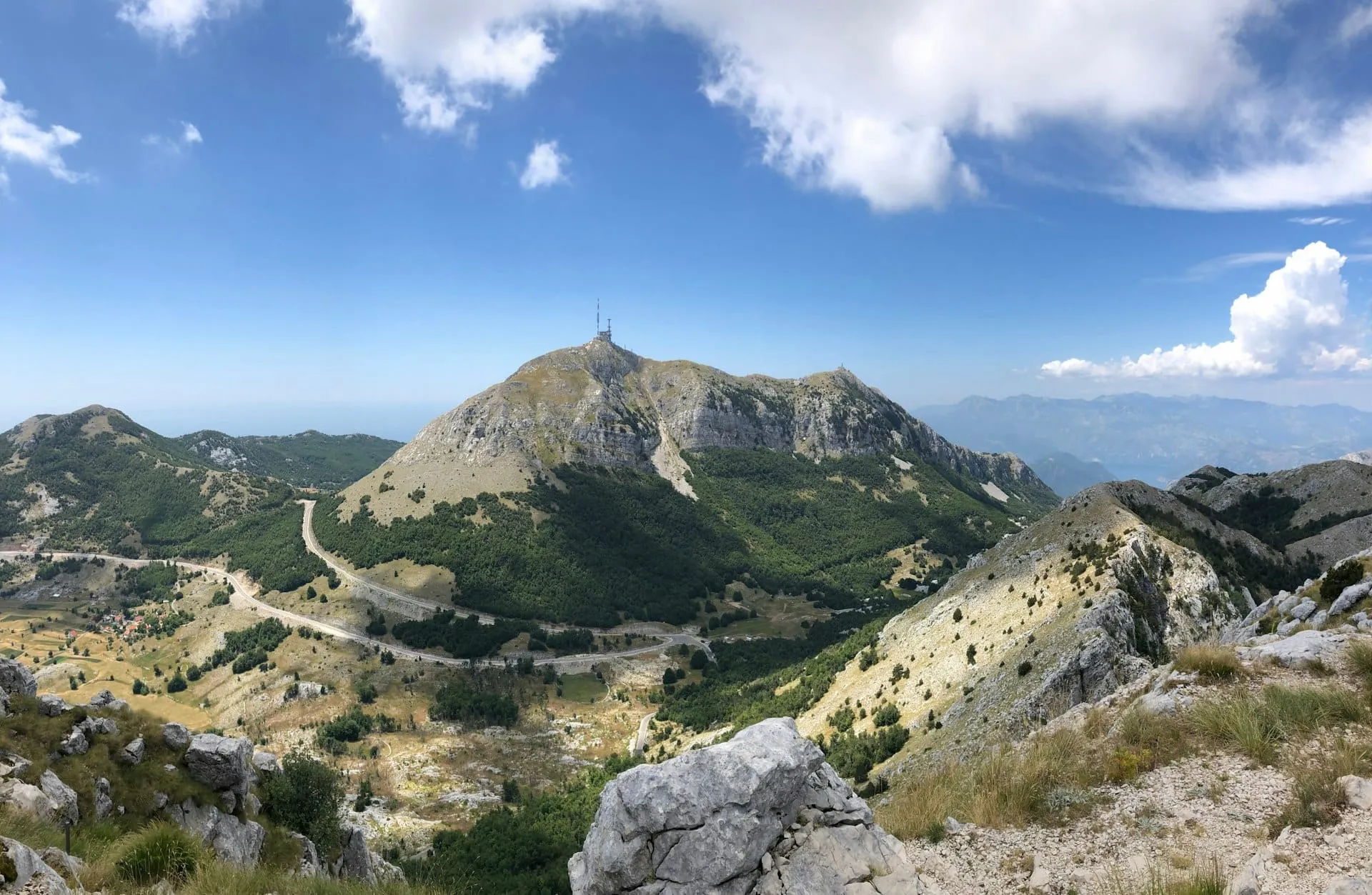
None of this is hard. It is one folder: passports, registration, licence, insurance card, and a quick look at two official pages before leaving. Rules and dates move, so confirm them on the linked sources rather than trusting our snapshot from October 2026.
Sources & further reading
We check the facts in this guide against official sources and note when we last updated it.
- European Commission - temporary reintroduction of border control (current list)
- European Union - Entry/Exit System (EES), official traveller information
- Swiss Federal Office for Customs and Border Security - duty-free allowances and value limit
- ÖAMTC - International Insurance Card (former Green Card) by country
Questions we get asked
Do I need a passport to drive between Schengen countries?
You need a valid passport or national ID card for every person in the car, even though there is normally no check. Several countries, including Germany, Austria and Poland, are running temporary controls at land borders into 2027, and police can also ask for ID anywhere inland. A driving licence does not count as a travel document.
Is the Green Card still needed in Europe?
Not inside the EU, Switzerland, Norway or the UK, where your number plate is enough. According to ÖAMTC it is mandatory in Albania, North Macedonia, Montenegro, Moldova, Ukraine and Belarus, and recommended in Serbia. Kosovo does not accept it, so you buy separate border insurance on entry. Ask your insurer for the card a couple of weeks before leaving.
How much shopping can I bring into Switzerland by car?
Goods worth up to CHF 150 per person per day are free of Swiss VAT. Separate quantity limits apply to meat (1 kg), butter and cream (1 kg or litre), alcohol (5 litres up to 18% and 1 litre above) and tobacco (250 cigarettes). Anything above must be declared, most easily in the official QuickZoll app.
Keep reading
Practical
Driving in Europe in 2026: the checklist we run before every trip
Documents, mandatory equipment, vignettes, tolls and low-emission zones - the practical basics that keep a European road trip fine-free, in one place.
Practical
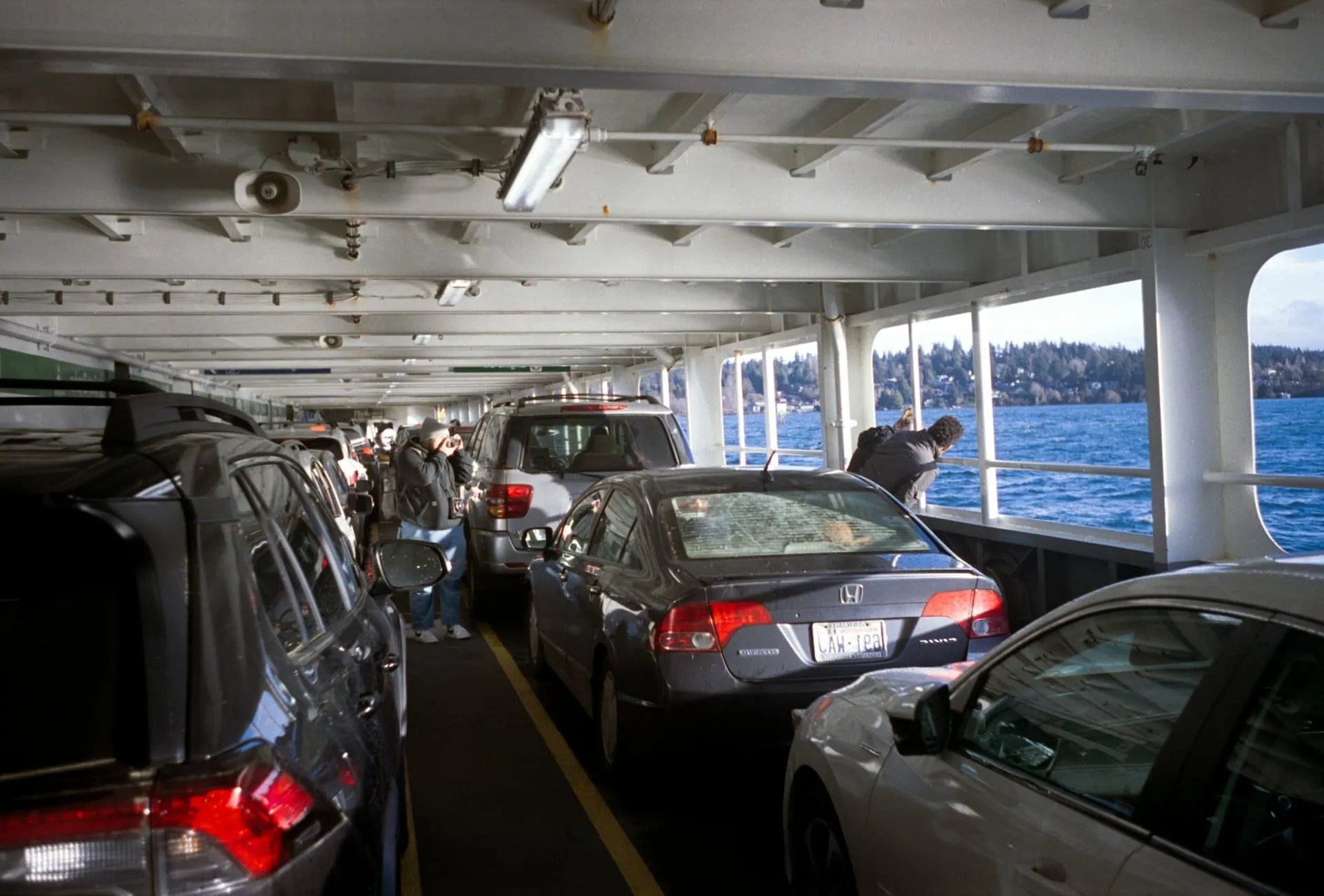
Taking your car on a European ferry: booking, boarding and sleeping on board
Channel, Baltic and Mediterranean crossings with a car or van - when to book, what the check-in clock really means, the gas and battery rules, and how to sleep well at sea.
Practical
Tolls and vignettes in Europe, country by country
Which countries make you buy a sticker, which charge by the kilometre, and how we avoid paying twice - the paid-road map we wish we'd had on our first trip.