Taking your car on a European ferry: booking, boarding and sleeping on board
Channel, Baltic and Mediterranean crossings with a car or van - when to book, what the check-in clock really means, the gas and battery rules, and how to sleep well at sea.

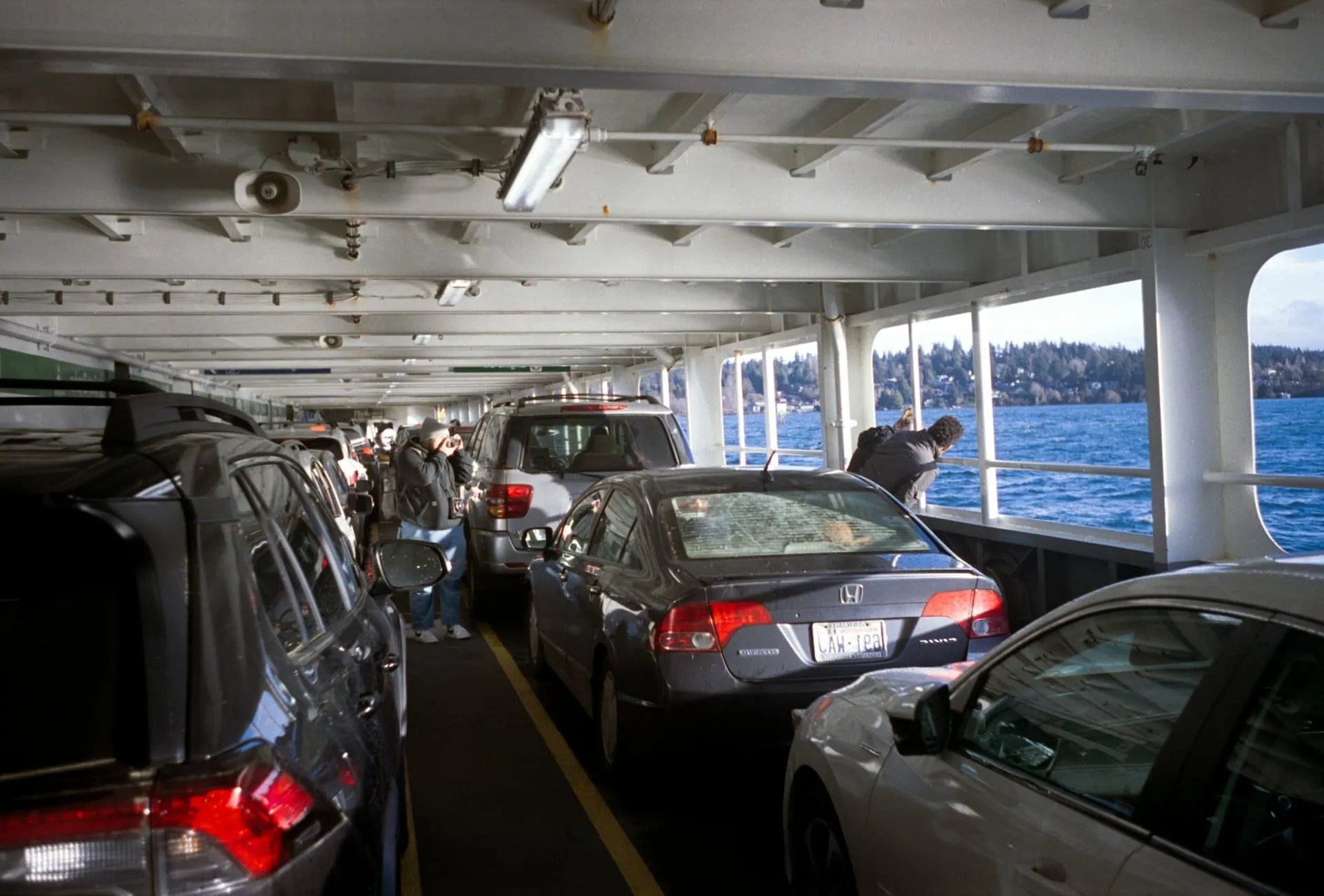
We have driven onto more ferries than we can count: the 100-minute hop from Dover to Calais, the 20-hour Kiel to Oslo overnight, and the long Mediterranean crossings that turn a two-day drive into one night in a cabin. The boarding routine is the same everywhere, but the details that bite are not - check-in cut-offs, gas and battery rules, and whether you actually need a cabin. Here is what we do now, learned the slow way.
Booking: measure the van, then book early
Ferry prices are set by vehicle length and height, not by weight, so the first thing we do is check the registration document and add the bike rack and roof box. Operators refuse vehicles that turn up bigger than booked, and the ADAC's advice matches our experience: state the real total length and height, never a guess. Caravan slots are capped per sailing, and summer cabins on the overnight routes sell out months ahead, so we book the long crossings as soon as the dates are fixed and leave the Channel until later, where DFDS alone runs up to 30 Dover to Calais sailings a day.
Boarding: the check-in clock and the car deck
Every operator publishes a check-in deadline, and they mean it. On Dover to Calais, DFDS closes check-in 60 minutes before departure and asks you to be at the port two hours before that, because passport and customs checks happen on the way in. Color Line wants vehicles for Kiel to Oslo presented 120 minutes before sailing, and Grimaldi Lines asks for two hours on its Italian routes. We add half an hour on top for the queue of campervans that always appears from nowhere.
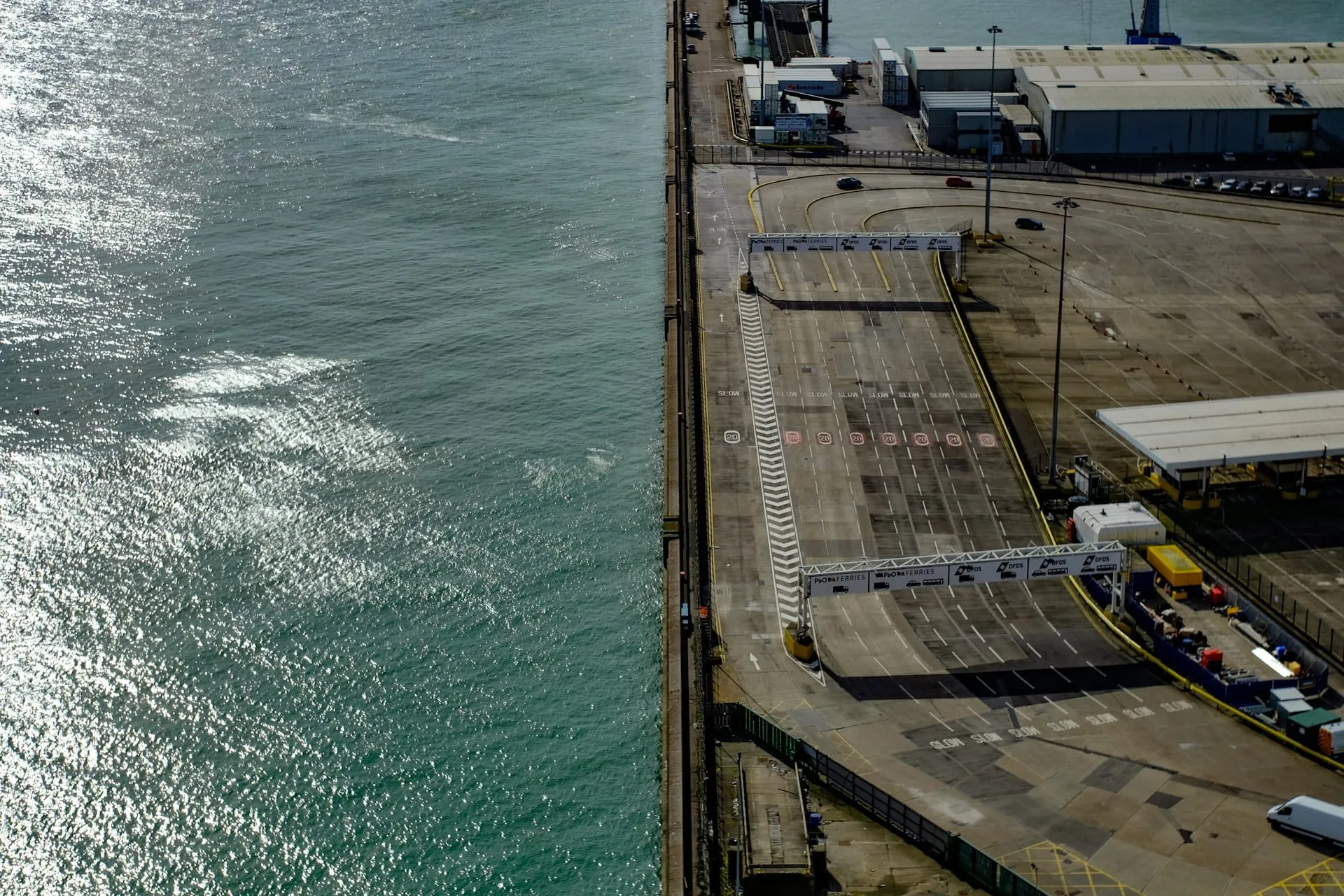
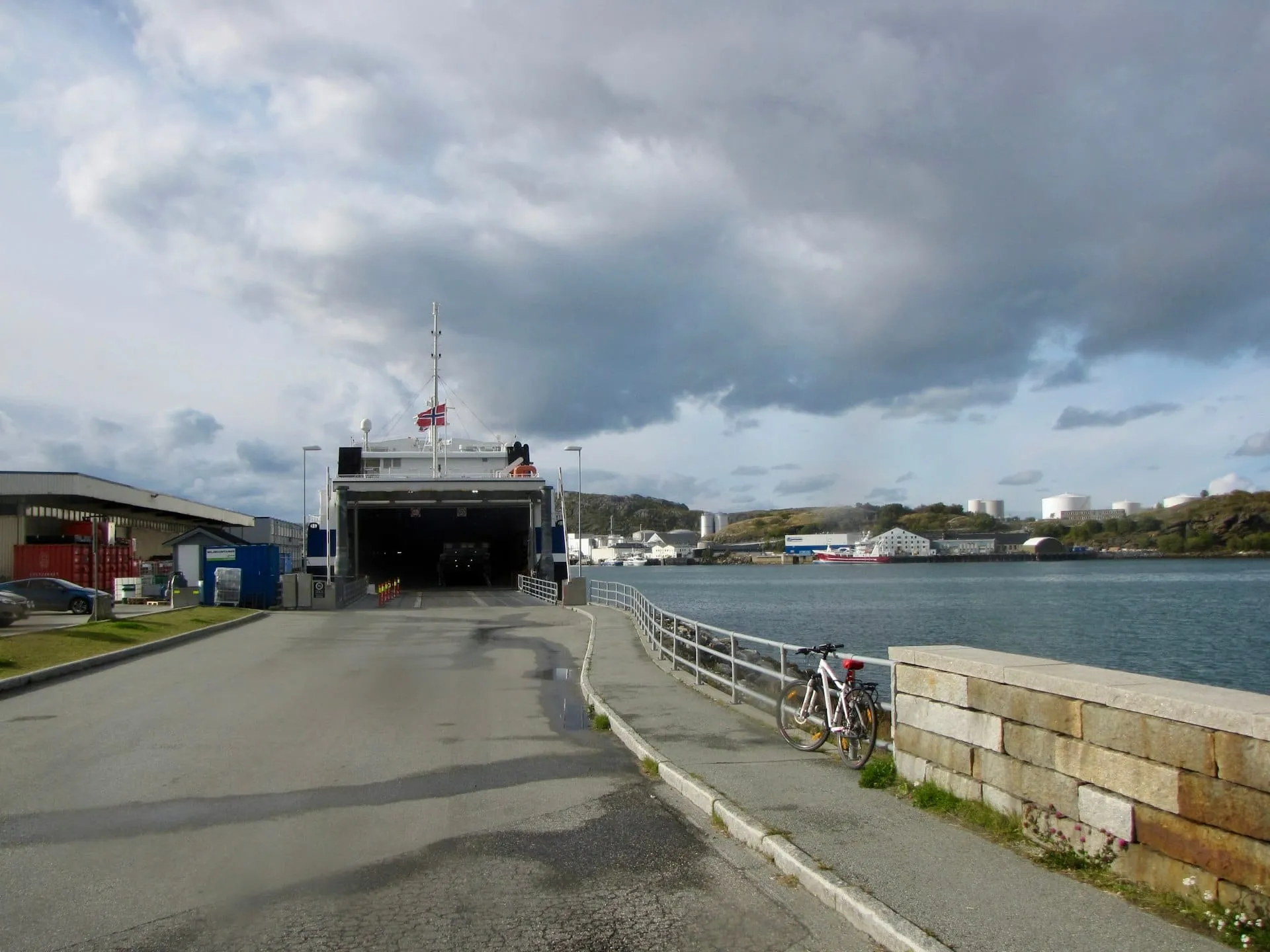
On the deck, the drill is short. Follow the marshal's hand signals, park where you are put, leave the van in first gear with the handbrake on, and take everything you will need for the crossing in one bag. On almost every route the car deck is locked once the ship sails, and Grimaldi states plainly that there is no access to the garage during the voyage. Forgotten jackets and phone chargers stay forgotten until the ramp comes down.
Crossings we drive regularly (2026)
- Dover - Calais (DFDS)
- 1 h 40 min, up to 30 sailings a dayCheck-in closes 60 min before departure; arrive 2 h before that
- Kiel - Oslo (Color Line)
- Departs 14:00, arrives 10:00 next dayCabin compulsory; vehicles presented 120 min before sailing
- Civitavecchia - Barcelona (Grimaldi)
- About 20 h overnightCheck-in 2 h before; no car-deck access at sea
- Greek ferries, EV or plug-in
- Battery at 40 percent or belowLPG/CNG tanks at 50 percent or below; in force since April 2024
- UK ETA (EU citizens)
- £20, valid 2 yearsEnforced since 25 February 2026, all routes
Source: official operators and EU portals; confirm current times and prices before you travel
Sleeping on board: cabins, seats and the fjord alarm clock
Nobody sleeps in their vehicle on a European ferry. The deck is sealed, unventilated and off limits, and the crew count heads. So the question is cabin or not. On Kiel to Oslo the answer is made for you: a cabin is compulsory, all of them sit above the car deck, and the 20-hour timetable means dinner at sea, a proper night, and breakfast as the ship threads the Oslofjord. That morning is the reason we take the ferry instead of driving through Denmark and Sweden.
On the Mediterranean overnights a cabin is optional, and we have tried the cheap option once: a reclining seat on Civitavecchia to Barcelona, about 20 hours, sharing a lounge with a school trip. Never again. An inside cabin for two costs less than a hotel night in either city and gives you a shower, a dark room and somewhere to lock the passports. Our kit for any night at sea fits in one rucksack: earplugs, a sleep mask, a power bank, a litre of water, and the dog's papers if she is with us, because pets stay in the kennel or in a pet cabin and the paperwork is checked at the ramp.
If it goes wrong: your rights at sea
Storms cancel sailings, and winter Channel schedules slip. EU Regulation 1177/2010 covers ferries leaving or arriving at an EU port. If departure is delayed by more than 90 minutes you choose a full refund within seven days or rerouting under comparable conditions, with meals while you wait and up to three hotel nights at up to €80 each if you are stranded overnight. Arrive late and you can claim 25 percent of the fare back: after one hour on a crossing of up to four hours, two hours on a four to eight hour crossing, three hours on eight to 24, and six hours on anything longer. Double those delays and the refund doubles to 50 percent. Severe weather cancels the compensation, though not the refund or rerouting.
Our rule now: book the long crossings first, measure the van honestly, arrive with the two-hour margin the operators ask for, and treat the night on board as a night's rest rather than dead time. Done that way, a ferry is the one part of a road trip where somebody else does the driving.
Sources & further reading
We check the facts in this guide against official sources and note when we last updated it.
Questions we get asked
Can we sleep in our campervan on the car deck?
No, on any European ferry we know of. The vehicle deck is closed for the whole crossing, gas must be switched off at the bottle, and electrical appliances may not run unless you have booked a plug-in pitch, which only a few Baltic and Scandinavian routes offer. Book a cabin for overnight sailings; on Kiel to Oslo it is compulsory anyway.
Do we need a cabin on an overnight ferry?
On Color Line's Kiel to Oslo route a cabin is a condition of travel. On most Mediterranean overnights a reclining seat is allowed, but after one 20-hour night in a shared lounge we always take an inside cabin. It usually costs less than a hotel in the port city and you arrive rested enough to drive.
Are electric cars and LPG vans allowed on ferries?
Generally yes, with conditions. Greece requires EV and plug-in batteries at 40 percent or below and LPG or CNG tanks at half or below since April 2024, checked at the terminal. Elsewhere, LPG-powered vehicles are accepted route by route at the operator's discretion, so declare the fuel when booking and confirm on the official operator site.
Keep reading
Van & gear
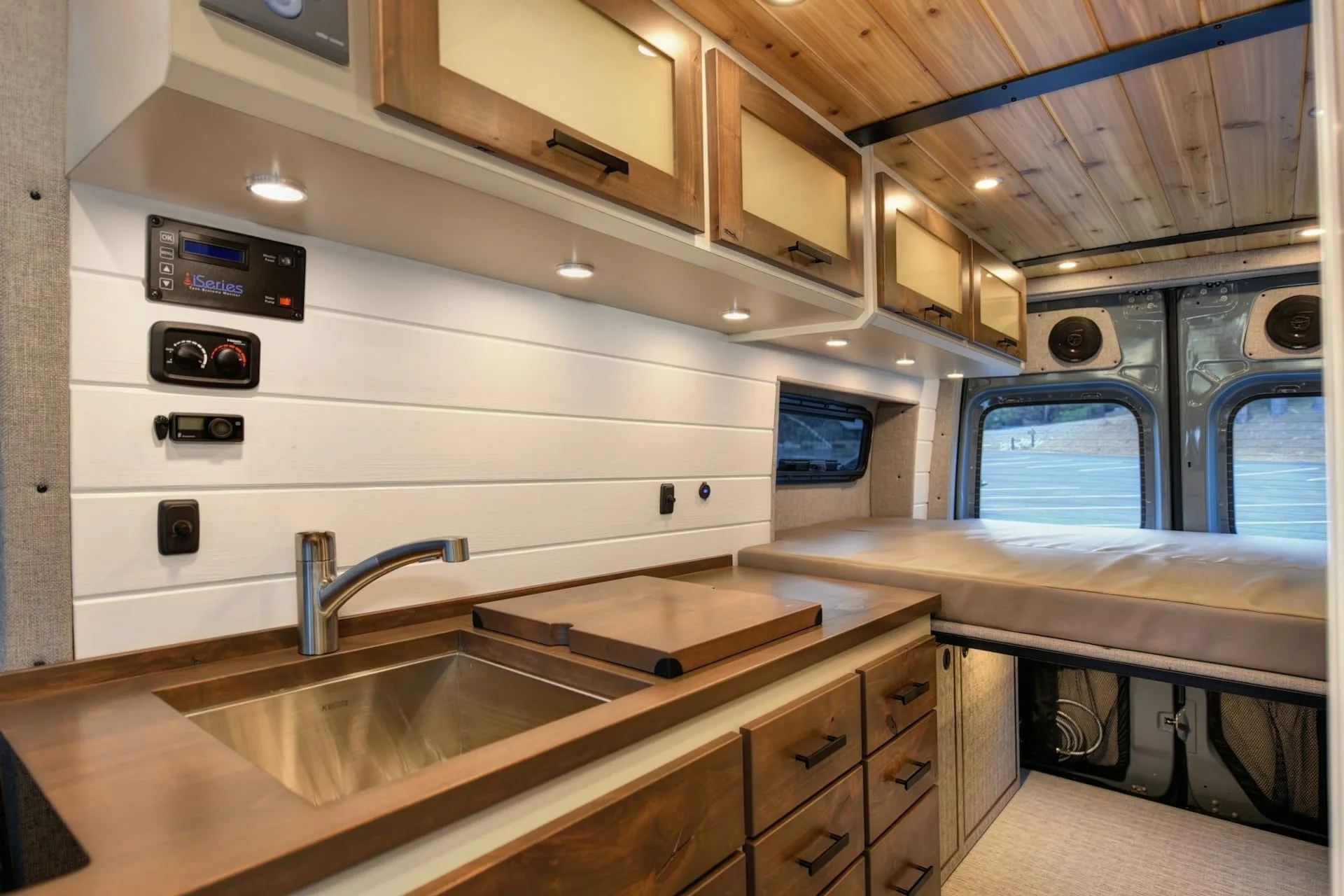
What actually lives in our van: the kit that earns its space
Three summers and about 40,000 km on, here is what stayed in the van, what got thrown out, and the two pieces of paper that campsites and police actually ask for.

Routes
Driving the Norwegian fjords: ferries, tolls and the slow road
Five days from Ålesund to Kristiansund, with ferry decks instead of motorways, cameras instead of toll booths, and the Atlantic Road saved for last. Here is how the paying part actually works.

Seasonal
Winter road trips in Europe: what the Alps and the Arctic taught us
Winter tyres, chains and the small habits that keep a snowy European drive calm - the rules that vary by country and the technique that doesn't.