Winter road trips in Europe: what the Alps and the Arctic taught us
Winter tyres, chains and the small habits that keep a snowy European drive calm - the rules that vary by country and the technique that doesn't.

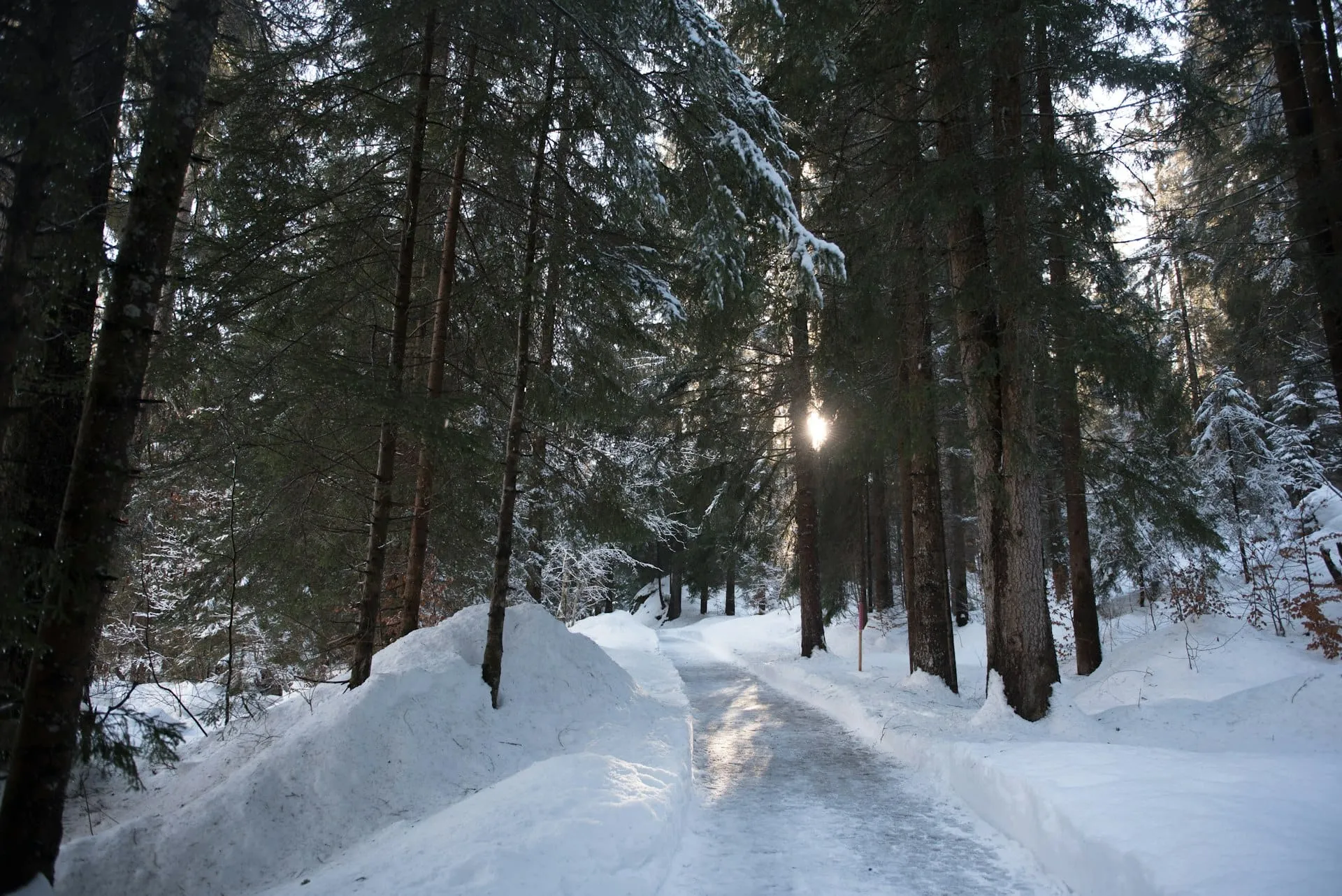
Our best trips have been winter ones - an empty Dolomites in January, the Arctic dark of northern Sweden in February. Winter driving isn't harder than summer once you respect two things: the right rubber under you, and the discipline to drive as if you might be wrong about the grip. Everything else follows from those.
Tyres and chains: the part that's law
This is where countries diverge, and where a rental or an uninformed driver gets caught out. Some countries mandate winter tyres by date, others by conditions; several require you to carry chains on certain Alpine roads even if you never fit them. The safe move is proper winter or all-season tyres marked with the three-peak-mountain-snowflake symbol, plus a set of chains you've practised fitting once in your driveway - not for the first time in a blizzard.
Winter-tyre rules, a few countries (confirm before travel)
- Austria
- Winter tyres 1 Nov-15 AprIn wintry conditions; chains required on some signed passes
- Germany
- Situational (bei Glätte)Winter/all-season tyres required whenever roads are icy/snowy
- Italy
- Region/road dependentSigned routes require winter tyres or chains on board, ~Nov-Apr
- Nordics
- Winter tyres mandatory by date/conditionStudded tyres widely allowed and worth it on ice
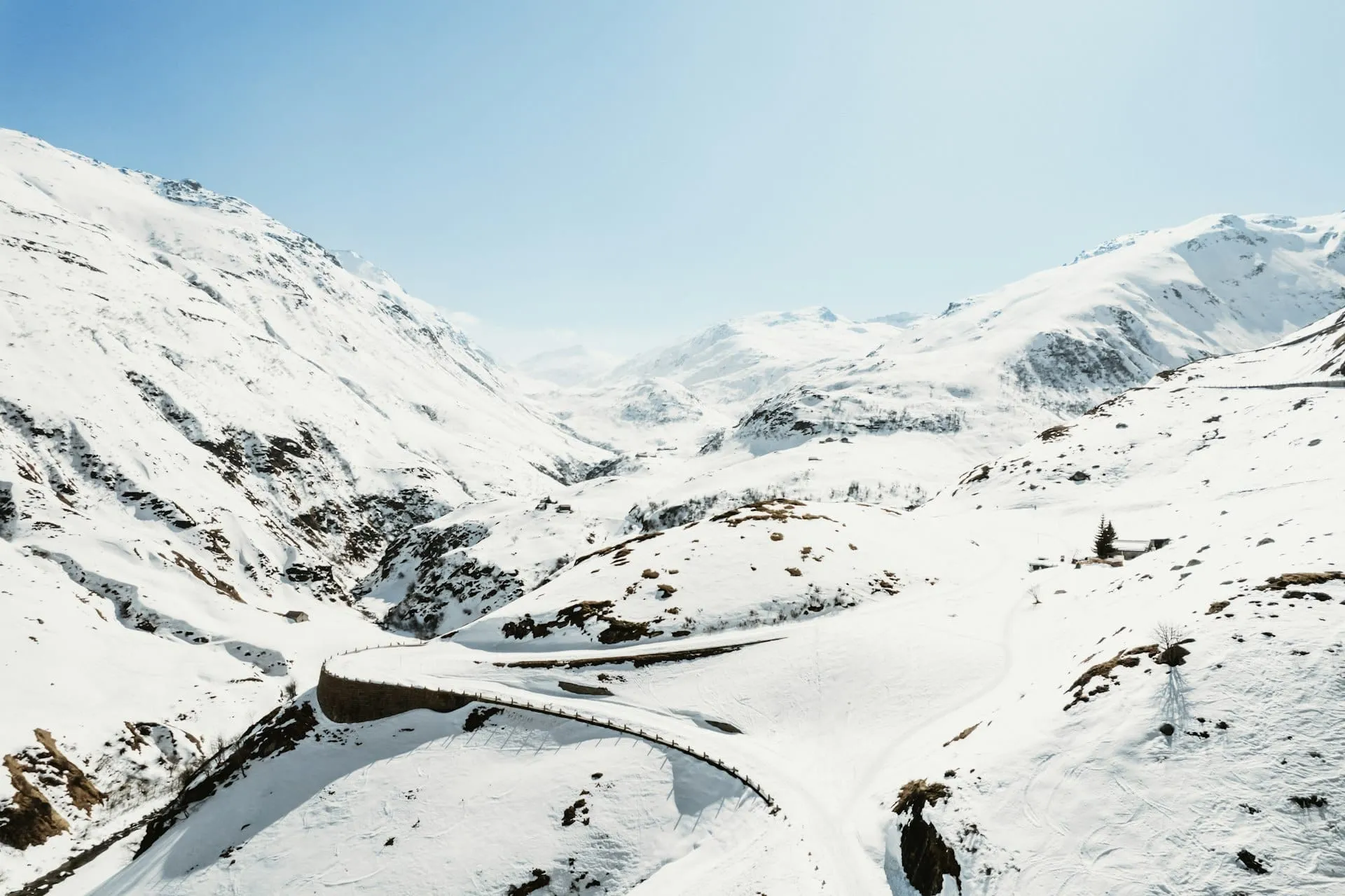
The technique that doesn't change
Smoothness is everything. Every input - steering, accelerator, brake - done gently and early. Leave three times the gap you would in the dry, because stopping distances on snow are brutal and on ice almost theoretical. On a descent, let a low gear hold your speed; braking on a slippery slope is how you start sliding. And if the road ahead looks wrong, the right answer is almost always to slow down and wait, not to press on.
Get the tyres and the mindset right and winter becomes the best season to travel: no crowds, half-price campsites, and landscapes the summer crowds never see. We plan shorter days, carry a warm sleeping setup in case we stop early, and never, ever chase a schedule over a pass in bad weather.
Sources & further reading
We check the facts in this guide against official sources and note when we last updated it.
Questions we get asked
Do I really need winter tyres, or will all-seasons do?
Good all-season tyres carrying the three-peak-mountain-snowflake (3PMSF) mark are legally accepted as winter tyres in most European countries and are plenty for occasional snow and cold rain. If you're heading into the Alps in deep winter or up to the Nordics, dedicated winter tyres - studded in the far north - grip far better on ice and are worth fitting for the trip.
How do I know if a pass or road is open in winter?
Many high passes simply close for the season, while others stay open but require chains in snow. Check the national road authority or motoring-club status page for the specific pass the day you travel, and have a lower-altitude alternative ready. We never rely on a satnav to know a pass is shut - it often doesn't.
Keep reading

Van & gear
What actually lives in our van: the kit that earns its space
Three summers and about 40,000 km on, here is what stayed in the van, what got thrown out, and the two pieces of paper that campsites and police actually ask for.
Practical
Driving in Europe in 2026: the checklist we run before every trip
Documents, mandatory equipment, vignettes, tolls and low-emission zones - the practical basics that keep a European road trip fine-free, in one place.
Routes
Crossing the Pyrenees: coast to coast on the mountain roads
Seven days from Hendaye to Cerbère over the Tourmalet, Aubisque and Envalira, dipping into Spain and Andorra - our route, the col heights, and the rules that changed in 2026.