Road-tripping Europe in an EV: charging, apps and range reality
We crossed four countries in an electric car and lived on public chargers the whole way. Here is what actually works: the one plug that matters, the card that saves you money, and how far you really get between stops.

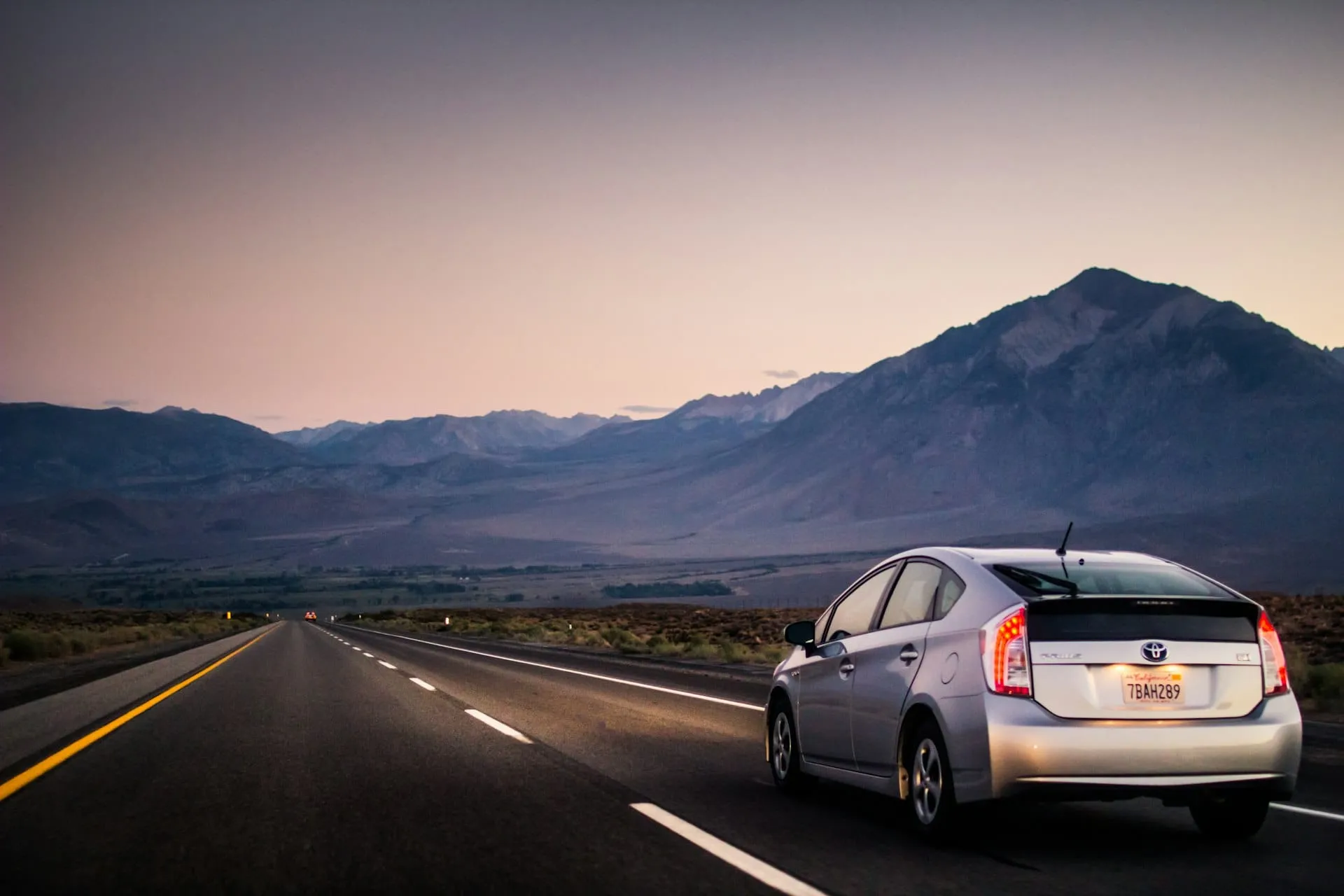
The first time we took the electric car abroad we were braced for a fortnight of range maths and dead charge points. It was calmer than that. We drove from the Netherlands down to northern Italy over ten days, charged only in public, and never once got stranded. The trip did teach us where the friction really is, and almost none of it was about the plug going into the car.
One connector to stop worrying about
For fast, mid-journey charging in Europe there is effectively one standard: CCS (Combined Charging System, the Combo 2 plug). Every DC rapid charger on the motorway uses it, and every recent car sold here takes it. The EU's rules require public DC high-power points to carry a CCS connector and AC points a Type 2 socket, so the guesswork is gone. The only cable we carry is our own Type 2 lead for the slower AC posts at hotels and car parks, where you sometimes have to bring your own. For the big roadside chargers you just pull the tethered cable off the unit and plug in.
Where cars still differ is speed, not shape. A charger might be rated at 300 kW, but your car pulls what it can, fastest between roughly 10 and 80 percent, then it tapers off hard. We stopped topping past 80 on travel days: the last stretch to full takes almost as long as the first three quarters and it is dead time you feel.
What charging cost us (2026, per kWh)
- Motorway rapid, no card (ad-hoc)
- around 0.84 EURADAC test average; the expensive way to charge
- Same charge on a card or contract
- around 0.52 EURAd-hoc can run up to ~62% dearer than this
- Realistic floor on the road
- around 0.50 EURYou rarely beat this mid-journey at rapid chargers
- Rapid chargers on core EU routes
- at least every 60 kmAFIR minimum on the TEN-T core network since end of 2025
Source: ADAC 2026; confirm current tariffs before you travel
Finding a charger, and paying without pain
Two things sorted this out for us. First, one roaming card. A single RFID card or app from a network like ADAC e-Charge or a big provider unlocks tens of thousands of points across borders on one monthly bill, instead of a fresh account at every operator. Second, an app to find the chargers: we filter by connector, minimum power and whether it is actually working, and read the recent check-ins before we commit to a stop. Since April 2024 the EU also requires every new public point of 50 kW or more to take a normal contactless bank card and to show the price per kWh, so a plain debit card is a genuine fallback when an app misbehaves.
Coverage is not even, and that shaped our route more than anything. The Netherlands is astonishingly dense, Germany, Austria and Switzerland are reliably good, and the Nordic countries are strong. Head into the south and east and it thins out fast: Greece has only a couple of thousand public points, clustered near Athens, and Portugal is patchy once you leave the cities. On the well-served legs we charged on instinct; on the thin ones we planned each stop the night before.
Our crossing, charge by charge
An easy first leg on the densest network in Europe. We left home full, ran down to a third, and took a single fast charge at a German motorway hub while we ate. No planning required.
The long day. Two rapid stops of about twenty-five minutes each, both 10 to 80 percent. We learned to line the stops up with lunch and coffee so the charging felt like a break we wanted anyway.
The climb to the Brenner pass eats range: motorway speed plus altitude gain drops real-world efficiency noticeably. We charged full before the ascent and coasted much of the descent back into the battery.
Back onto Italian autostrada with plenty of rapid chargers. We stopped worrying about range entirely here and just topped up whenever a charger lined up with a town we wanted to see.
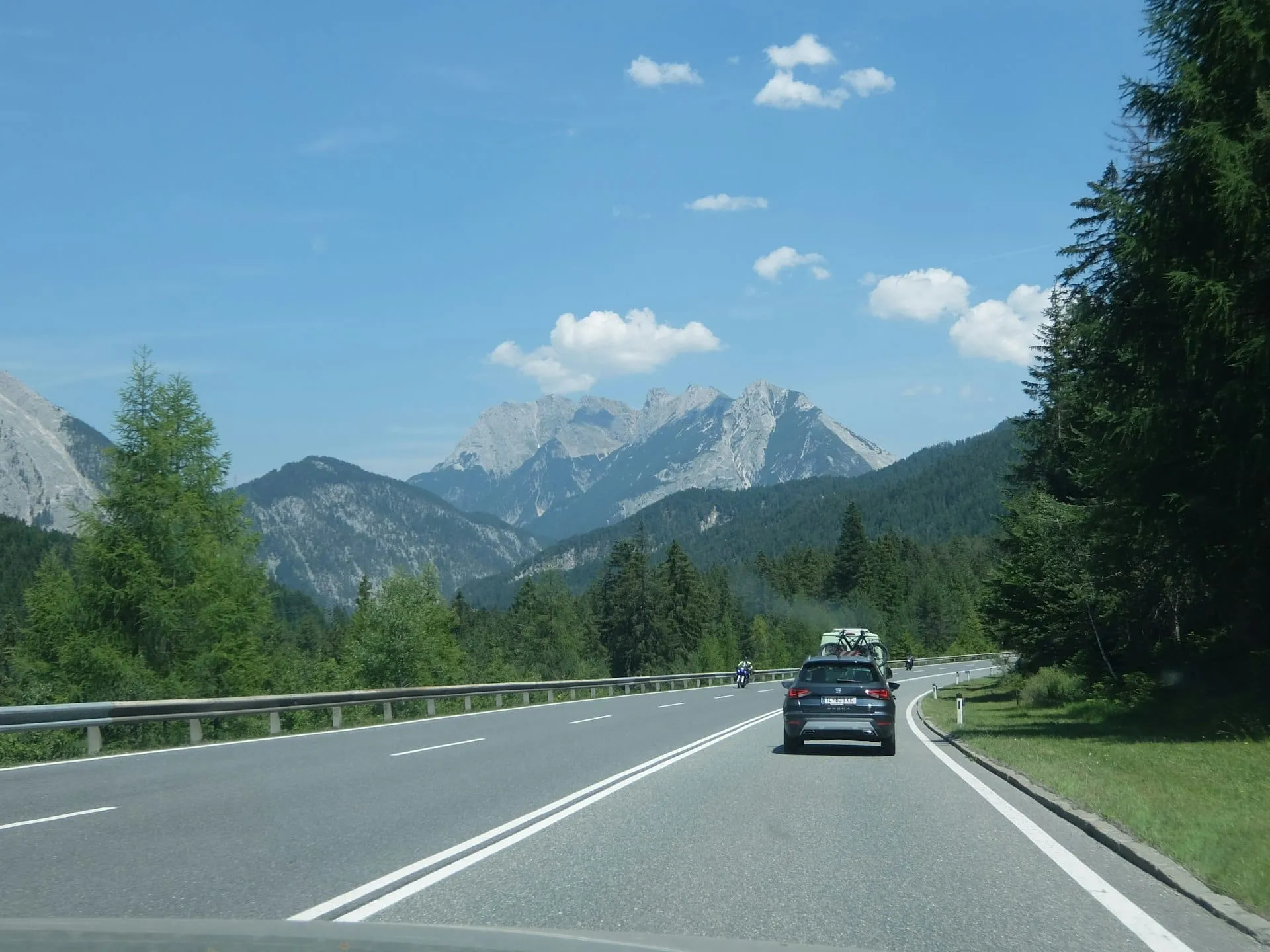
The honest verdict after four countries: an EV road trip in Europe is no longer an act of faith on the main corridors, it is just a slightly different rhythm. You stop a bit more often and a bit more deliberately, you sort one card and one app before you go, and you keep a buffer on the mountain days. Do that and the driving is the same trip it always was, only quieter.
Sources & further reading
We check the facts in this guide against official sources and note when we last updated it.
Questions we get asked
Do I need a pile of different apps and cards for each country?
No. One roaming card or app from a major provider covers tens of thousands of charge points across borders on a single bill, which is what we use. As a backup, EU rules since April 2024 require every new public charger of 50 kW or more to accept a normal contactless bank card and display the price per kWh, so a debit card gets you charging even where your app fails.
Which plug do I actually need in Europe?
For fast charging on the road it is CCS (Combo 2), which is the EU standard for public DC rapid points and is built into every recent car, so there is no adapter to buy. For slower AC charging at hotels and car parks you use Type 2, and it is worth carrying your own Type 2 cable because some AC posts are not tethered.
How far apart are chargers really?
On the EU's core motorway network the AFIR rules require a rapid-charging pool at least every 60 km, in place since the end of 2025, so the main corridors are well covered. Away from those routes it varies a lot: dense in the Netherlands, Germany and Austria, much thinner in parts of the south and east, where we planned each stop in advance.
Keep reading

Practical
What a month on the road actually costs
Thirty-one days, four countries, 4,300 km and one diesel van: our real spend, line by line, and the costs you can price before you leave.
Practical
Tolls and vignettes in Europe, country by country
Which countries make you buy a sticker, which charge by the kilometre, and how we avoid paying twice - the paid-road map we wish we'd had on our first trip.
Van & gear
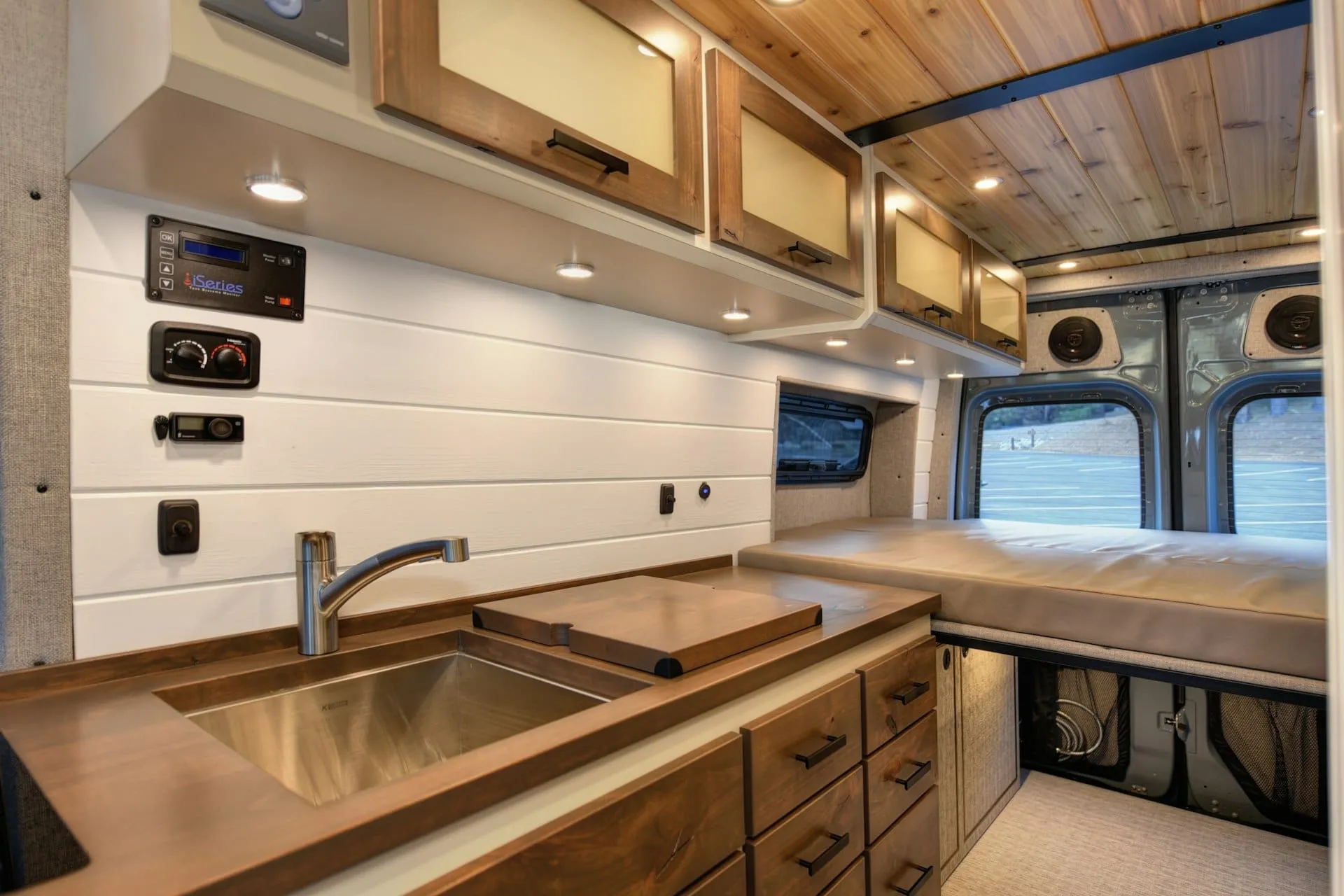
What actually lives in our van: the kit that earns its space
Three summers and about 40,000 km on, here is what stayed in the van, what got thrown out, and the two pieces of paper that campsites and police actually ask for.