Fuel, cards and cash on a European road trip
What the pump labels mean, why the 24-hour machine rejects your card at 10 pm, and where diesel costs 40 cents a litre less - everything we learned filling up from Hamburg to the Algarve.

Filling up abroad sounds like the one part of a road trip that needs no planning. Then you roll into a village in the Auvergne on a Sunday evening with the warning light on, the only station is an unmanned machine, and it spits your card back out three times. We have been there. Fuel in Europe is easy once you know three things: what the pump labels mean, how the automatic machines take payment, and where the price gaps are big enough to plan around.
Reading the pump: labels beat names
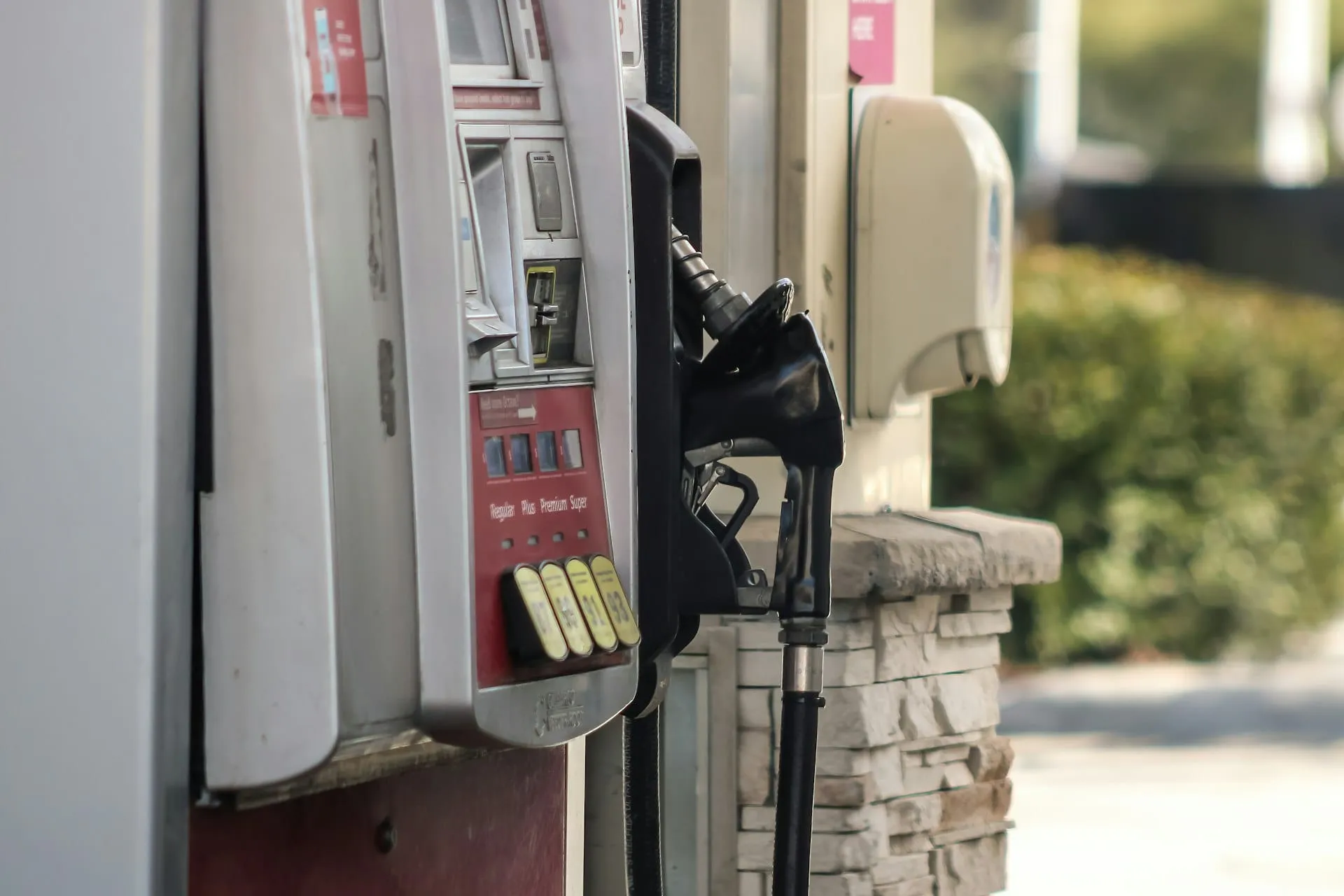
Every country has its own word for diesel, and some of them look alarmingly like petrol to a tired driver. The French say gazole, Italians gasolio, Spaniards and Portuguese gasóleo. The good news is that since Directive 2014/94/EU every EU pump, nozzle and new car filler cap carries the same small symbol. Petrol sits in a circle (E5, E10, E85), diesel in a square (B7, B10, XTL), and gaseous fuels in a diamond (LPG, CNG, LNG, H2). We stopped reading the words years ago. We check that the shape and code on the nozzle match the sticker inside our fuel flap, and that is it.
What diesel and petrol are called at the pump
- France
- Gazole (B7) / SP95-E10, SP98LPG is GPL; needs a dish adapter
- Italy
- Gasolio (B7) / Benzina senza piomboLPG is GPL, natural gas is metano
- Spain
- Gasóleo A (B7) / Gasolina 95, 98LPG is GLP; Euronozzle adapter
- Portugal
- Gasóleo (B7) / Gasolina 95, 98LPG is GPL; Euronozzle adapter
- Germany, Austria
- Diesel (B7) / Super E5, Super E10LPG is Autogas
Source: ADAC, EU fuel labels
Cards, cash and the 24-hour machine
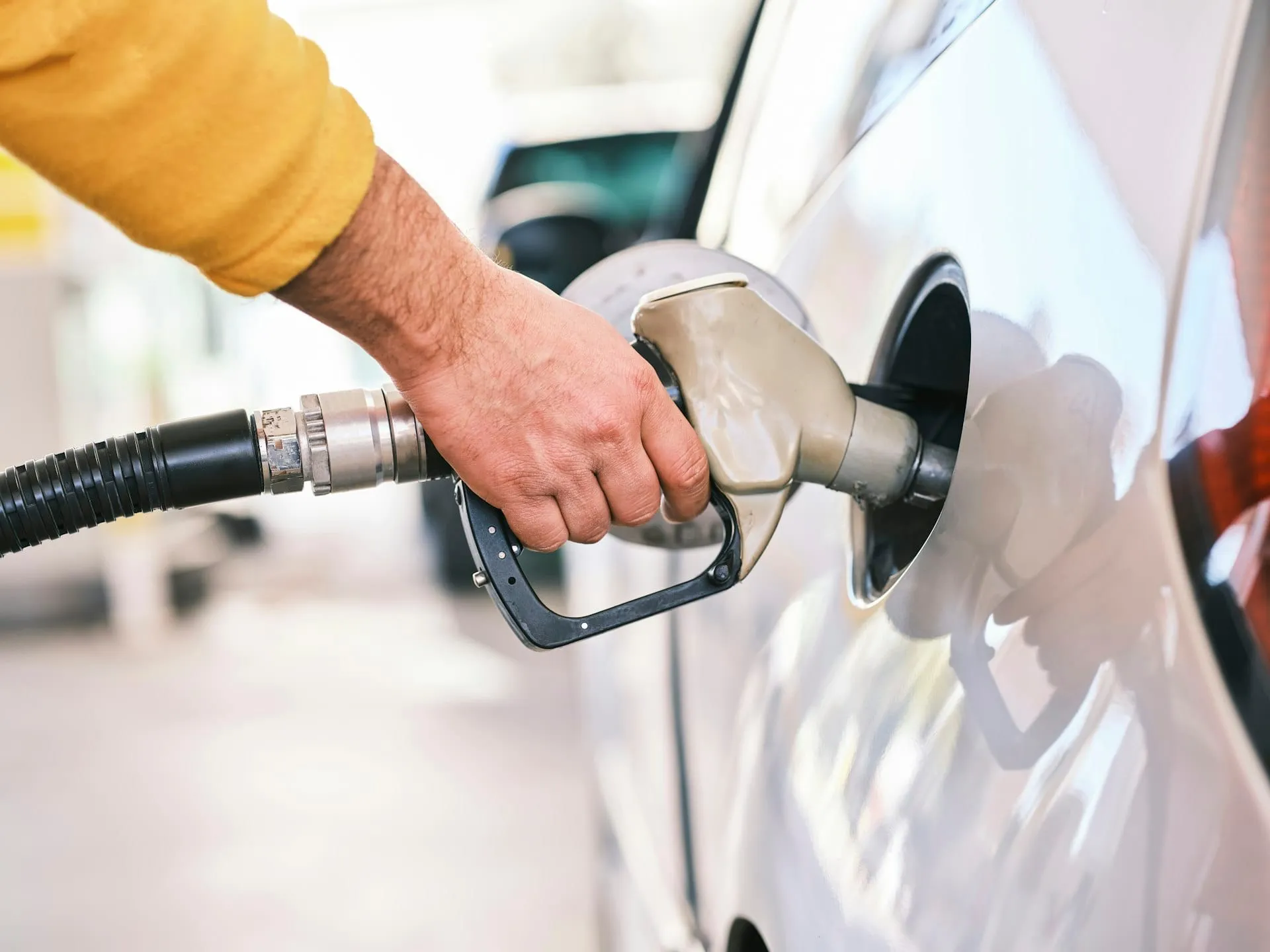
Staffed stations take Visa and Mastercard almost everywhere we have driven. The trouble starts at the unattended pumps: the French automates 24/24 at supermarkets, the rural Spanish stations that empty out after 8 pm, and the Italian village pumps that close for lunch and run on a machine until mid-afternoon. ADAC warns that some of these terminals reject cards issued abroad, and in Italy a few still take banknotes only. In our experience the cards that fail are usually magnetic-stripe or signature cards. A chip card with a PIN works far more often, so know your PIN before you leave.
The other surprise is the hold. Before it releases the nozzle, an automatic pump reserves an amount on your card that is often bigger than the fill. The real charge follows, and the reservation drops off a few days later, but on a debit card with a tight balance two or three fills in a row can block you for a while. We keep one credit card for fuel only, so the holds never touch the account we pay campsites from.
Where fuel is cheap, and where to wait
Prices differ enough between neighbours that it pays to plan the fill before a border. The European Commission publishes national averages every week in its Weekly Oil Bulletin, and the bulletin of 21 September 2026 shows diesel at about 1.92 euros a litre in Spain and 2.36 in France, a gap of more than 40 cents. On a 70-litre van tank that is roughly 30 euros for doing nothing more than filling up in Irun instead of Hendaye. Austria against Italy is a similar story for petrol.
Average pump prices, 21 Sep 2026 (euros per litre)
- Spain
- Petrol 1.85 / Diesel 1.92
- Austria
- Petrol 1.84 / Diesel 2.14
- Italy
- Petrol 2.07 / Diesel 2.27Self-service lanes are cheaper than servito
- Portugal
- Petrol 2.08 / Diesel 2.16
- Germany
- Petrol 2.20 / Diesel 2.25
- France
- Petrol 2.21 / Diesel 2.36Supermarket stations usually cheapest
Source: EU Weekly Oil Bulletin; prices move weekly, check the latest
These are national averages including tax. Motorway service stations are almost always above them, in our experience often by 15 to 25 cents in France and Italy, so we leave the autoroute a junction early and fill up at a Leclerc or Intermarché in town. In Italy, look for the lane marked self rather than servito: you do the work and pay less per litre.
Sources & further reading
We check the facts in this guide against official sources and note when we last updated it.
Questions we get asked
Is E10 safe for a car that is a few years old?
Almost every petrol car built since about 2011 is cleared for E10, but check the label inside your fuel flap or the manufacturer's list before you rely on it. If the flap shows only E5, buy the 98-octane grade, which is still E5 in most countries, rather than guessing.
What happens if the unmanned pump will not take my card?
Try a different card first, ideally a chip-and-PIN debit card from a major scheme. If none work, look for a cash machine on the same terminal or wait for staffed hours. Rural stations in France and Spain usually reopen around 7 or 8 am, which is why we never let the tank drop below a quarter in quiet regions.
Do I need cash for fuel at all?
Rarely, but we always carry some. A handful of Italian automatic pumps still take only banknotes, and a cash fill is the fallback when a terminal refuses every card you own late at night.
Keep reading
Practical
What a month on the road actually costs
Thirty-one days, four countries, 4,300 km and one diesel van: our real spend, line by line, and the costs you can price before you leave.
Practical
Road-tripping Europe in an EV: charging, apps and range reality
We crossed four countries in an electric car and lived on public chargers the whole way. Here is what actually works: the one plug that matters, the card that saves you money, and how far you really get between stops.
Practical
Low-emission zones explained: can you drive into European cities?
Crit'Air, Umweltzone, ZTL, Area C: how the sticker and camera systems work, per city, and the one official database we check before every city run.