Ten days on the great Alpine passes: Stelvio, Grossglockner and the Dolomites
A slow, switchback-heavy loop through the Italian and Austrian Alps - how we planned it, what each pass is really like to drive, and what it costs.

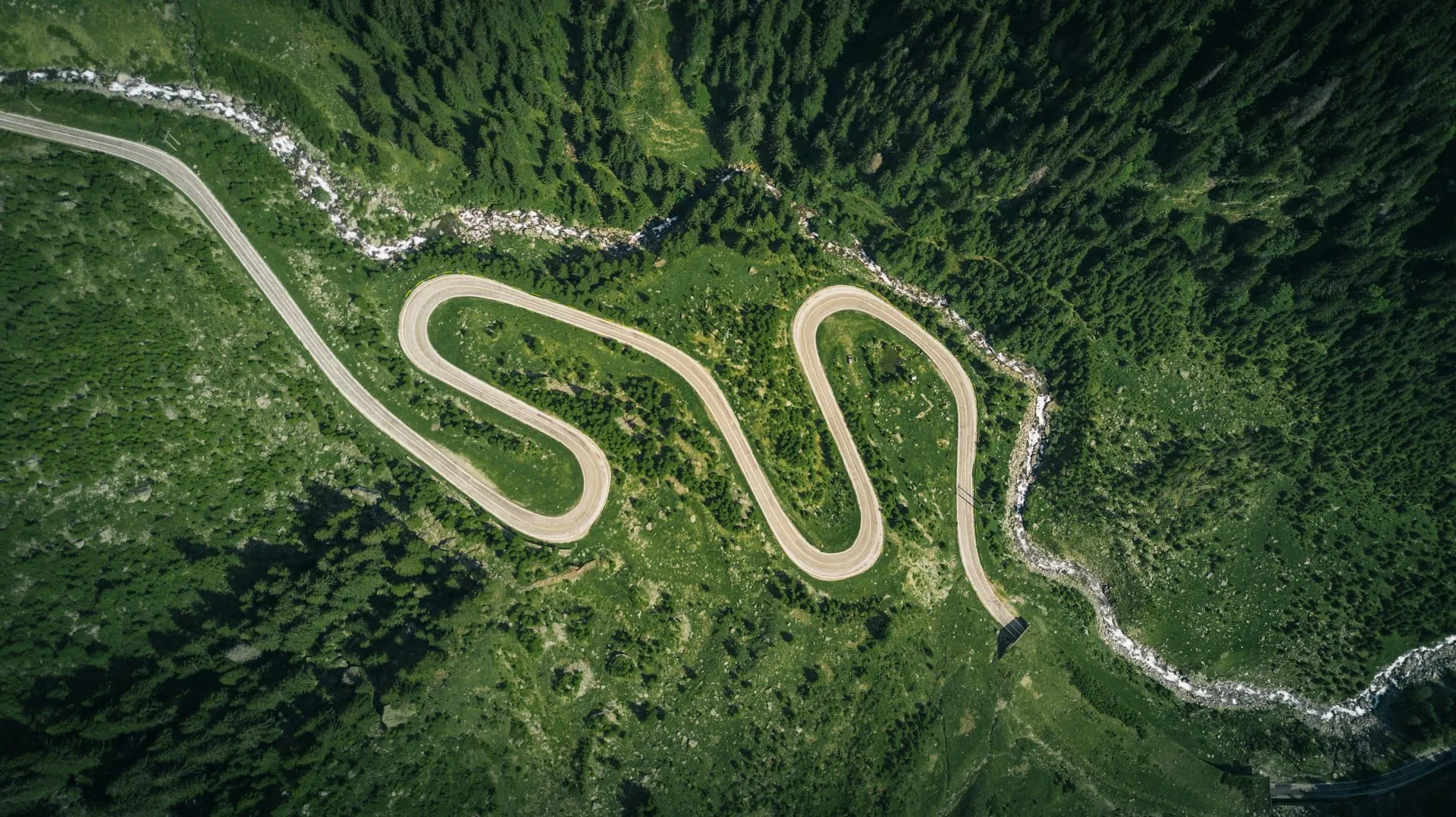
The first time we drove the Stelvio we got it wrong. We arrived at 11am in August, joined a crawling line of motorbikes, and spent the famous 48 hairpins staring at someone's exhaust. So when we came back to link the three great passes into one loop, we planned around a single rule: be on the road by seven, off it by noon. It changed everything.
This is the route we settled on after two summers of tinkering - roughly 1,150 km from the Dolomites to the Grossglockner and back, driven over ten unhurried days. It is not a race. Half the point is the village you stop in when a pass is still in shadow.
How we shaped the loop
We based the route on three anchor climbs and let the rest fill in around them. Between the big days we kept the driving short - two or three hours - so there was always time for a lake swim, a long lunch, or simply doing nothing in a meadow while the van cooled off.
Ease in on the Great Dolomite Road from Bolzano over the Pordoi and Sella passes. Gentle by Alpine standards, staggering to look at.
The big one: 2,758 m, 48 numbered hairpins on the Prato side. We slept in the valley and climbed at dawn.
Cross toward East Tyrol, trading Italian switchbacks for wide Austrian valleys and the approach to the Hohe Tauern.
Austria's showpiece high road to the Franz-Josefs-Höhe, then a long, easy descent back toward the start.
What the passes are actually like
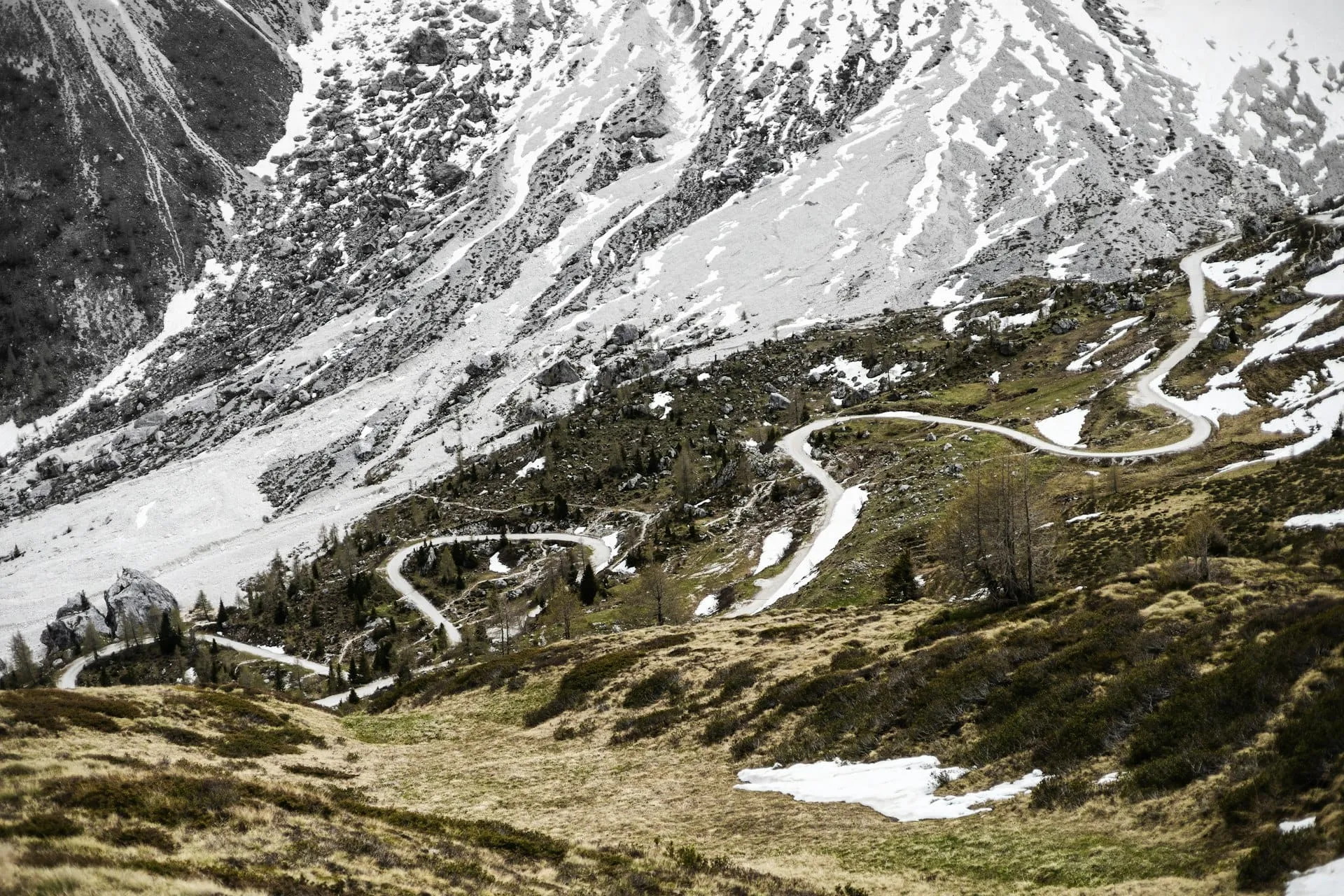
People fixate on the Stelvio, but the three climbs feel completely different. The Dolomite passes are theatrical and busy but never technical. The Stelvio is relentless - you are turning almost constantly, in low gear, for the better part of an hour. The Grossglockner is the smoothest of the three: a purpose-built scenic road with even gradients, wide enough that meeting a coach never makes your stomach drop.
Season, tolls and what it costs
These are summer roads. The Stelvio and Grossglockner typically open from late May or June and close with the first serious snow in autumn - never assume, always check the official pages the week you travel. Two of the three climbs charge a toll, and you will also need an Austrian motorway vignette for everything in between.
Passes at a glance (2026 season)
- Grossglockner road
- €40.00 per car / dayToll; typically open early May-early November
- Stelvio Pass
- FreeUsually open June-October, weather permitting
- Dolomite passes
- FreeOpen most of the year; some close briefly after snowfall
- Austria vignette
- €12.40 (10-day)Required on Austrian motorways/expressways between passes
Source: grossglockner.at & asfinag.at (confirm current prices)
Budget for one Grossglockner toll, a vignette, and plenty of fuel - mountain driving is thirsty. Everything else here is free to drive; the real cost is time, and that is the part worth spending generously.
Sources & further reading
We check the facts in this guide against official sources and note when we last updated it.
Questions we get asked
Can I drive these passes in a campervan or motorhome?
Yes - we do it in a converted van. The Stelvio and Grossglockner are both driven daily by coaches, so width is not the issue. Weight and brakes are: descend in a low gear, and if you are in a heavy motorhome, take the passes early when traffic is thin and you are not forced to stop mid-hairpin.
When do the passes open and close?
As a rule the high passes run from roughly June to October, with the Grossglockner often opening in early May. Exact dates shift every year with the snowpack, so check the official road pages the week before you go rather than trusting last year's calendar.
Is ten days too slow for this route?
For us it was right, but you could drive the same loop in five or six days if you skip the rest days. We would not go faster - short driving days are what let you climb each pass at dawn, which is the whole trick to enjoying them.
Keep reading
Routes
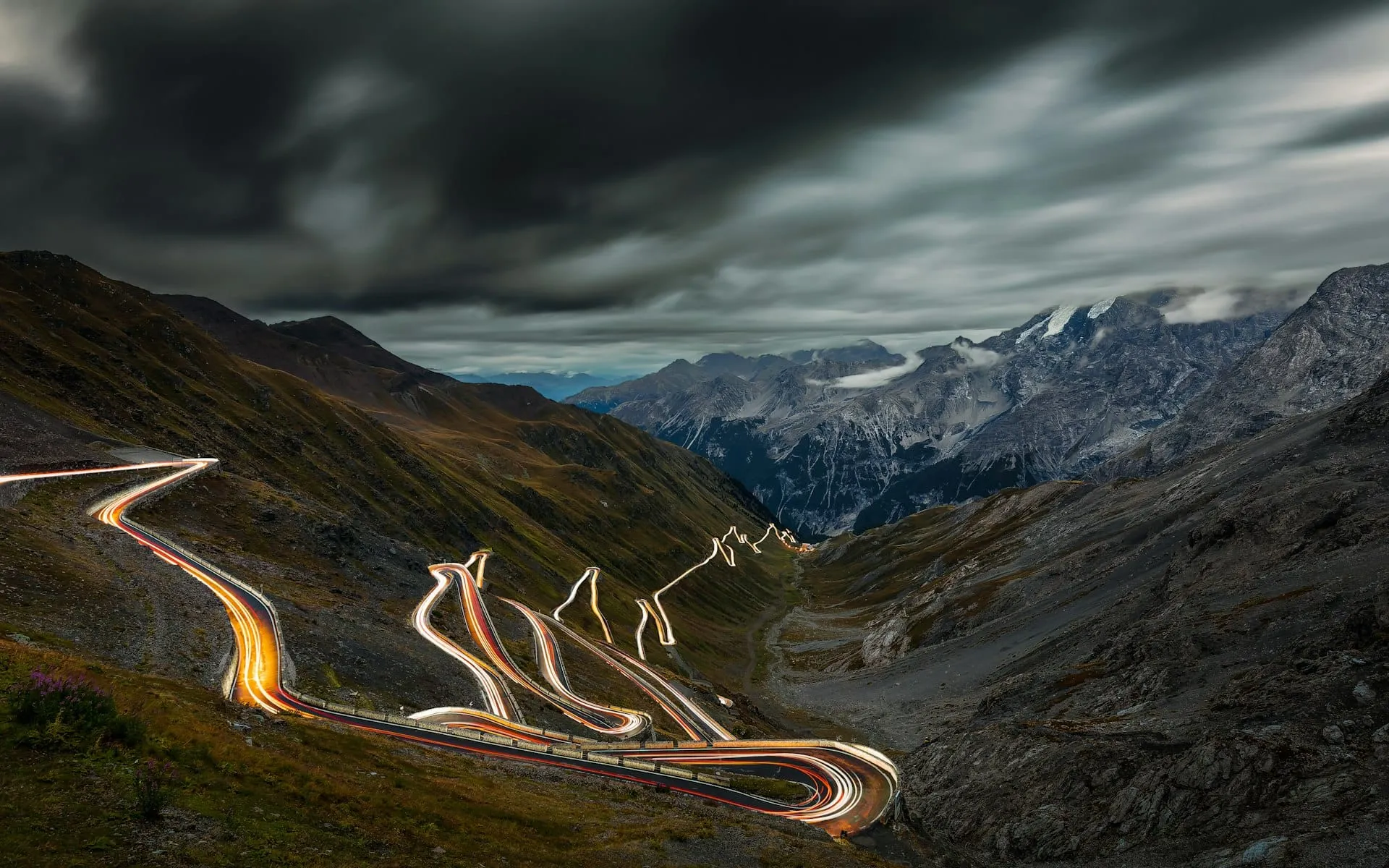
A week in the Dolomites by car
Seven slow days on the Great Dolomite Road, from Bolzano to Cortina and up to the Tre Cime - plus the booking rules that now decide whether you get up the famous roads at all.
Routes
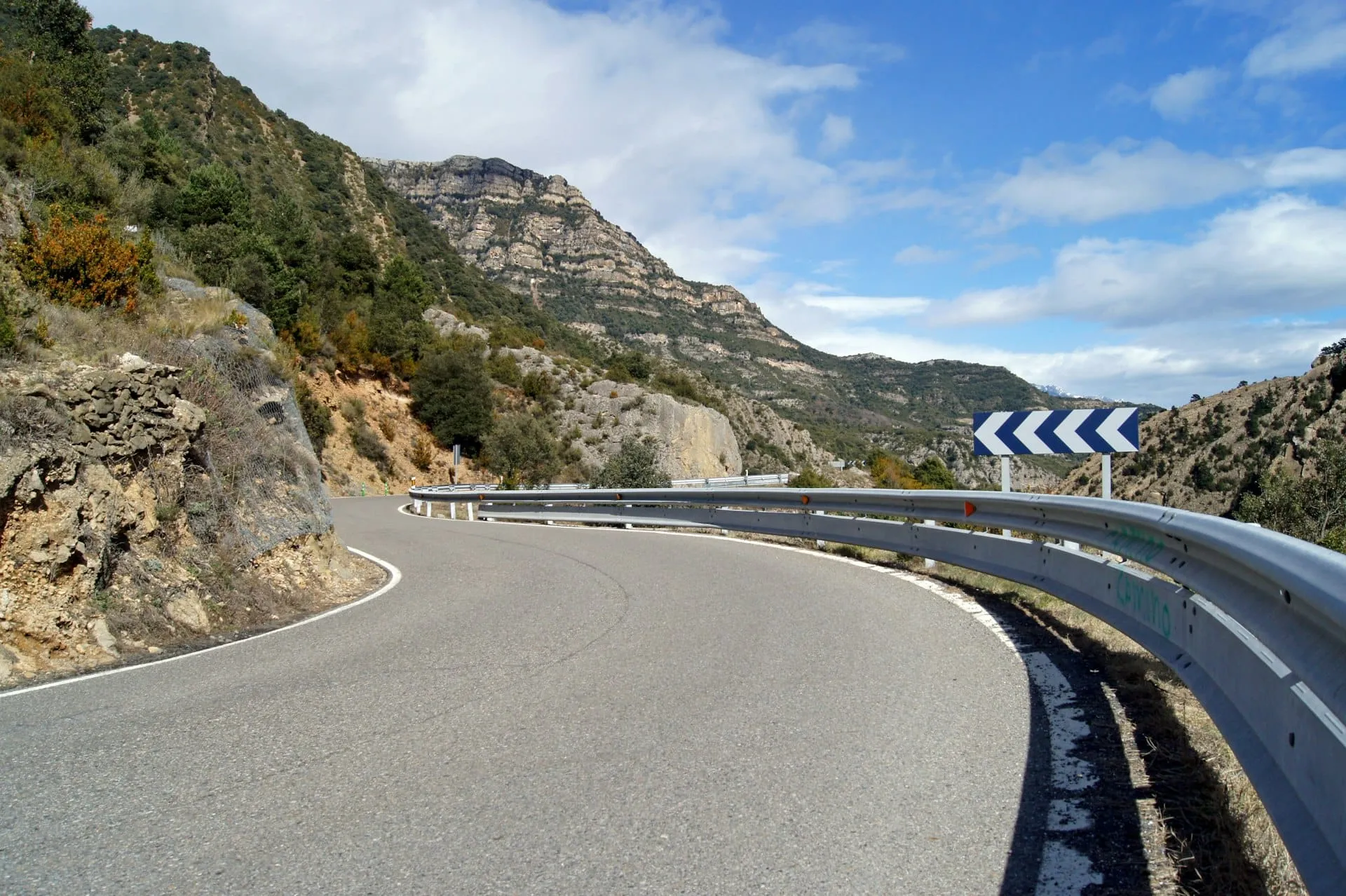
Crossing the Pyrenees: coast to coast on the mountain roads
Seven days from Hendaye to Cerbère over the Tourmalet, Aubisque and Envalira, dipping into Spain and Andorra - our route, the col heights, and the rules that changed in 2026.
Practical
Road-tripping Europe in an EV: charging, apps and range reality
We crossed four countries in an electric car and lived on public chargers the whole way. Here is what actually works: the one plug that matters, the card that saves you money, and how far you really get between stops.