A week in the Dolomites by car
Seven slow days on the Great Dolomite Road, from Bolzano to Cortina and up to the Tre Cime - plus the booking rules that now decide whether you get up the famous roads at all.

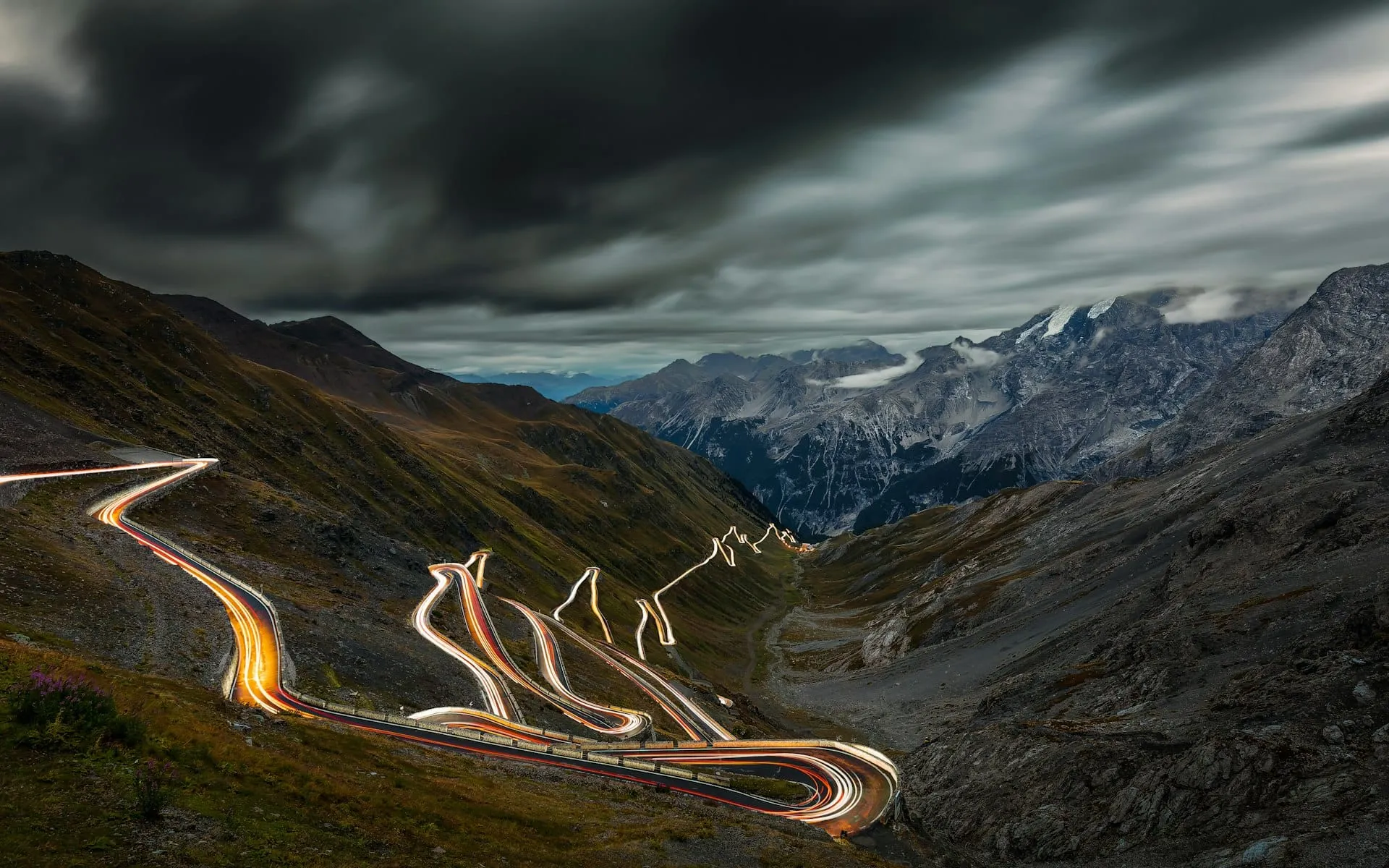
We had crossed the Dolomites twice before, always on the way to somewhere else, and both times we promised ourselves a proper week. This June we finally kept it: a slow loop out of Bolzano, over the old Great Dolomite Road to Cortina d'Ampezzo, up to the Tre Cime and back through the Braies valley. Seven days, barely 400 km of actual driving, and not one evening where we wished we had covered more ground. This is a range that rewards the slow version.
Three days on the Great Dolomite Road
The spine of the week is the Grande Strada delle Dolomiti, finished in 1909 and still the most theatrical way across the range. It runs roughly 110 km from Bolzano to Cortina as the SS241 and then the SS48, over the Costalunga, Pordoi and Falzarego passes. You could drive it in three hours. We took three days, sleeping in Canazei and letting the road set the pace: coffee at the pass tops, one short walk a day, dinner wherever we were parked by seven.
Two moments stood out. The first was Lago di Carezza, half an hour out of Bolzano, a small lake the colour of bottle glass under the Latemar wall; be there before 9 in the morning or the car park queue eats an hour of your day. The second was Passo Pordoi at 2,239 m, where the descent towards Arabba counts 33 numbered hairpins and the Sass Pordoi cable car hoists you onto a bare stone plateau at 2,950 m in four minutes. Up there it was 6 degrees in late June and we could see the Marmolada glacier from the terrace.
Out through the Eggental gorge, past Lago di Carezza and over the Costalunga pass into the Val di Fassa. Check in for two or three nights in Canazei; it is the most useful base on the western half of the road.
The four-pass circuit over Pordoi, Campolongo, Gardena and Sella in one unhurried day. Start by 8 to have the first pass nearly to yourself; by 11 the motorbikes own the road and the lay-bys fill with camera tripods.
Back over the Pordoi, down through Arabba and up the Falzarego, where the cable car to Rifugio Lagazuoi and its First World War tunnels is the best half-day stop of the whole trip. Roll into Cortina in time for an evening walk on the Corso Italia.
North past Lago di Misurina and up the booked toll road to the Rifugio Auronzo car park for the Tre Cime circuit, then down into the Val Pusteria for the last two nights. We slept in Villabassa so we could be at Lago di Braies at sunrise.
The booking game: Tre Cime, Braies, Seiser Alm
This is the part that has changed most since our first visit. The famous corners of the Dolomites now meter cars, and if you do not know that before you arrive, you will spend your mornings being turned around by polite men in high-vis vests. The toll road from Misurina up to the Rifugio Auronzo car park under the Tre Cime is reservation only: you book a 12-hour slot online, tie it to your number plate and pay 40 euros for a car. The Braies valley closes to unbooked traffic from 9:00 to 16:00 between 1 July and 15 September. And the road up to the Seiser Alm at Compatsch shuts to private cars from 9:00 to 17:00 whenever the cable car is running.
Summer access rules we planned around (2026, car)
- Tre Cime toll road (Misurina to Rifugio Auronzo)
- €40 per car, online booking mandatory12-hour slot tied to your plate; road open roughly late May to late October
- Braies valley (Lago di Braies)
- Reservation only 9:00-16:00, 1 Jul-15 SepDay ticket with parking €44 online; free access outside those hours
- Seiser Alm road to Compatsch
- Closed to cars 9:00-17:00While the cable car runs; driving back down is allowed at any time
- Great Dolomite Road (SS241/SS48)
- Free, open to all trafficHigh passes normally clear of snow from June to October
Source: official portals; confirm current rules and prices before you go
None of this ruined the trip. If anything it saved it: the Auronzo car park was full but not chaotic, and Braies at 7 in the morning, before the gate hours began, was as quiet as the postcards pretend it always is.
What we would change
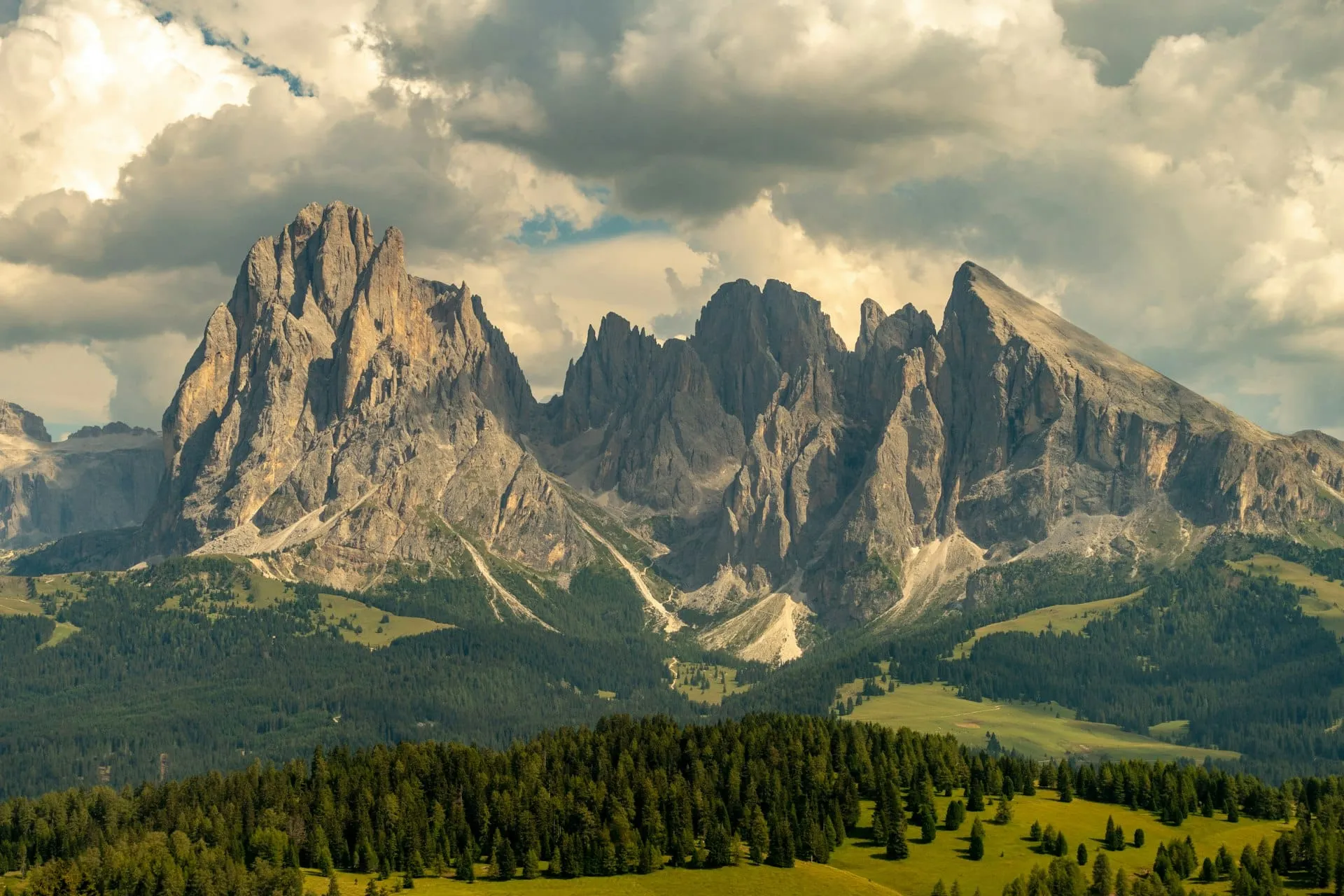
Two things. We would skip Cortina as a base; it is handsome but expensive, and Villabassa in the Val Pusteria put us closer to both the Tre Cime road and Braies for half the price. And we would plan the Seiser Alm for the last morning rather than an afternoon: driving up before 9, walking across the meadows while the light was still low, then rolling back down to Bolzano for the autostrada felt like the right full stop.
Seven days was right. Enough to drive every pass we cared about at the hours when it was empty, and to learn that in the Dolomites the car is for getting between walks, not the other way round.
Sources & further reading
We check the facts in this guide against official sources and note when we last updated it.
Questions we get asked
Do you need to book anything in advance to drive in the Dolomites?
In summer, yes. The Tre Cime toll road is reservation only, the Braies valley is closed to unbooked cars from 9:00 to 16:00 between 1 July and 15 September, and the Seiser Alm road shuts to private traffic during the day. Everything else, including the whole Great Dolomite Road, you can simply drive. Book the Tre Cime slot as soon as your dates are fixed; reservations open 30 days ahead.
When is the best time for this itinerary?
Mid June to late September. Earlier, the high passes can still be blocked by late snow; later, hotels and cable cars start closing for the season. We drove it in late June and had warm days, open passes and bearable crowds. September is quieter still, with the first larches turning.
Is the Great Dolomite Road difficult to drive?
It is a normal, well surfaced state road, just a slow one. The hairpins are wide enough for two cars to pass, and the only real stress is oncoming coaches near the pass tops and packs of motorbikes on summer weekends. Drive it early in the day, use low gears on the descents and give yourself three times the time the sat nav claims.
Keep reading
Routes
Ten days on the great Alpine passes: Stelvio, Grossglockner and the Dolomites
A slow, switchback-heavy loop through the Italian and Austrian Alps - how we planned it, what each pass is really like to drive, and what it costs.
Routes
Crossing the Pyrenees: coast to coast on the mountain roads
Seven days from Hendaye to Cerbère over the Tourmalet, Aubisque and Envalira, dipping into Spain and Andorra - our route, the col heights, and the rules that changed in 2026.
Routes
Driving the Norwegian fjords: ferries, tolls and the slow road
Five days from Ålesund to Kristiansund, with ferry decks instead of motorways, cameras instead of toll booths, and the Atlantic Road saved for last. Here is how the paying part actually works.