The Alps by car with kids: shorter days, better stops
Our family-paced week through Tyrol and the Hohe Tauern: two gentle high roads, a waterfall you can hear from the car park, and never more than two hours behind the wheel.

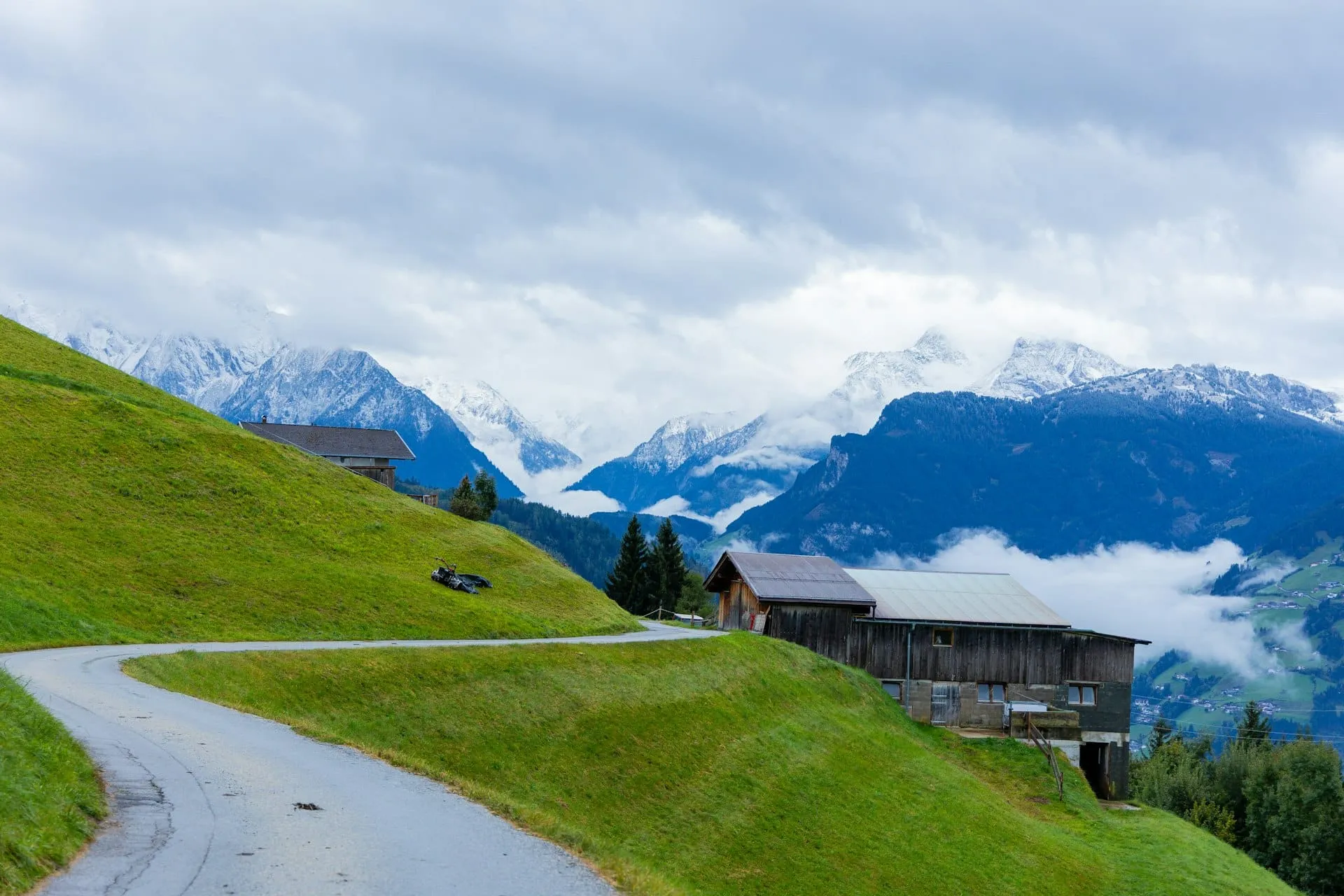
The first time we took our two into the mountains, we planned it like one of our old trips: an early start, three passes, a late dinner. By the second hairpin our youngest was green, by the third the older one was asking how many more, and by lunch we had stopped at a gravel lay-by and admitted it. Kids don't want the Alps we wanted. They want water to throw stones into, a cow at close range and a proper ice cream. The mountains are just the backdrop.
So this is the slower version. Seven days, about 330 km, all in Austria, from Innsbruck through the Zillertal, over the Gerlos road to Krimml and then up the Grossglockner. We pick roads with wide bends and good surfaces, and we stop before anyone needs us to.
Our rules for driving the Alps with children
We keep each driving day under two hours, including the climb, and we always plan a stop at the halfway point even if nobody asks. The best stops are the boring ones for adults: a playground behind a village church, a stream with flat stones, a cable car station with a toilet. We eat lunch out of the car rather than at a mountain restaurant on the pass, because the restaurants at the top are crowded at midday and the views are just as good from a bench 300 m lower.
Car sickness was our biggest worry. What helped most: the sickest child sits in the middle seat looking forward through the windscreen, windows open a crack, no screens on the climbs, and a small dry snack before the first hairpin rather than a big breakfast. Jonas drives the uphill sections slower than he wants to, and we let faster cars pass at every pull-out. Descents are where the nausea usually arrives, so we take those even gentler.
The route, one easy day at a time
An easy motorway hour east and then up the valley to Zell am Ziller. We based ourselves in one apartment for two nights so the kids could unpack, and spent the second day on a cable car and a short walk instead of in the car.
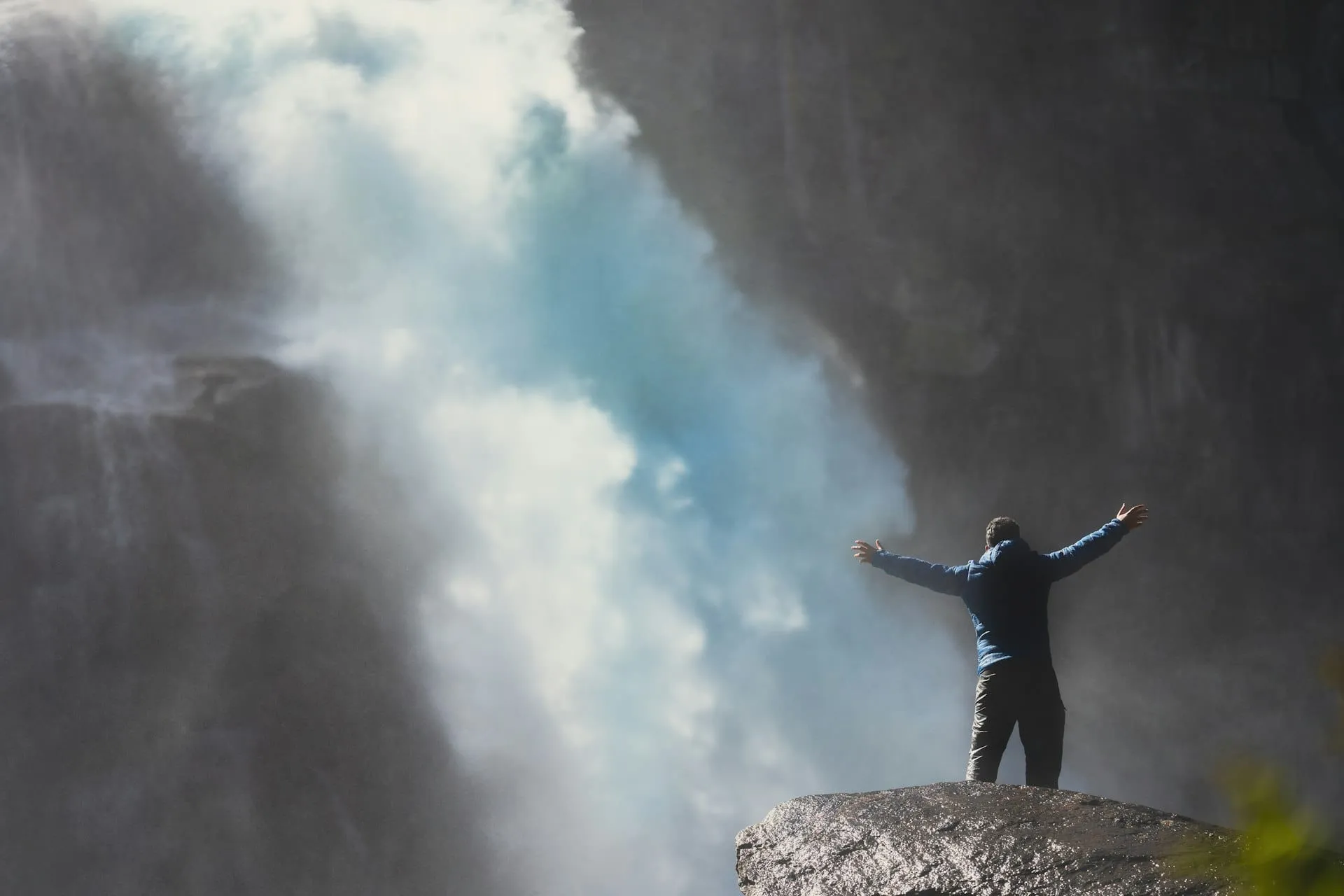
The best first pass for children we know: a wide, well-made road with a maximum gradient of nine percent and a reservoir halfway up for a picnic. At the far end, the Krimml Waterfalls are a short walk from the car park, and the lowest viewpoint is enough to soak everyone.
A flat valley day along the Salzach to Zell am See, with a swim in the lake, then a short hop to Fusch an der Grossglocknerstrasse so the big climb starts first thing next morning.
The 48 km High Alpine Road, with the detour up to the Kaiser-Franz-Josefs-Höhe to see the glacier and, if you are lucky, marmots. We stopped at almost every exhibition point on the way, which is the point. Then down to Heiligenblut and on towards Lienz.
What it costs: tolls and the vignette
Both mountain roads on this route charge a toll per vehicle, not per person, so the kids ride for free. You also need a vignette for the Austrian motorway from the border to Innsbruck and into the Zillertal. A 10-day digital vignette can be valid immediately if you buy it from ASFINAG, but the longer ones only start on the 18th day after an online purchase, so do not leave an annual vignette until the night before.
Austria with kids: 2026 costs for a car
- Motorway vignette
- €12.80 (10-day) / €106.80 (year)Digital 1-day and 10-day can start immediately
- Gerlos Alpine Road
- €13.00 day ticketOpen all year; e-cars €12.00
- Grossglockner High Alpine Road
- €46.50 day ticket€36.50 after 6 pm; up to 8 passengers plus driver
- Grossglockner second day
- €17.50 extraSame calendar year, linked to your plate
- Child seats
- Required under 14 and below 1.35 mÖAMTC guidance
Source: official operators and ÖAMTC; confirm current prices
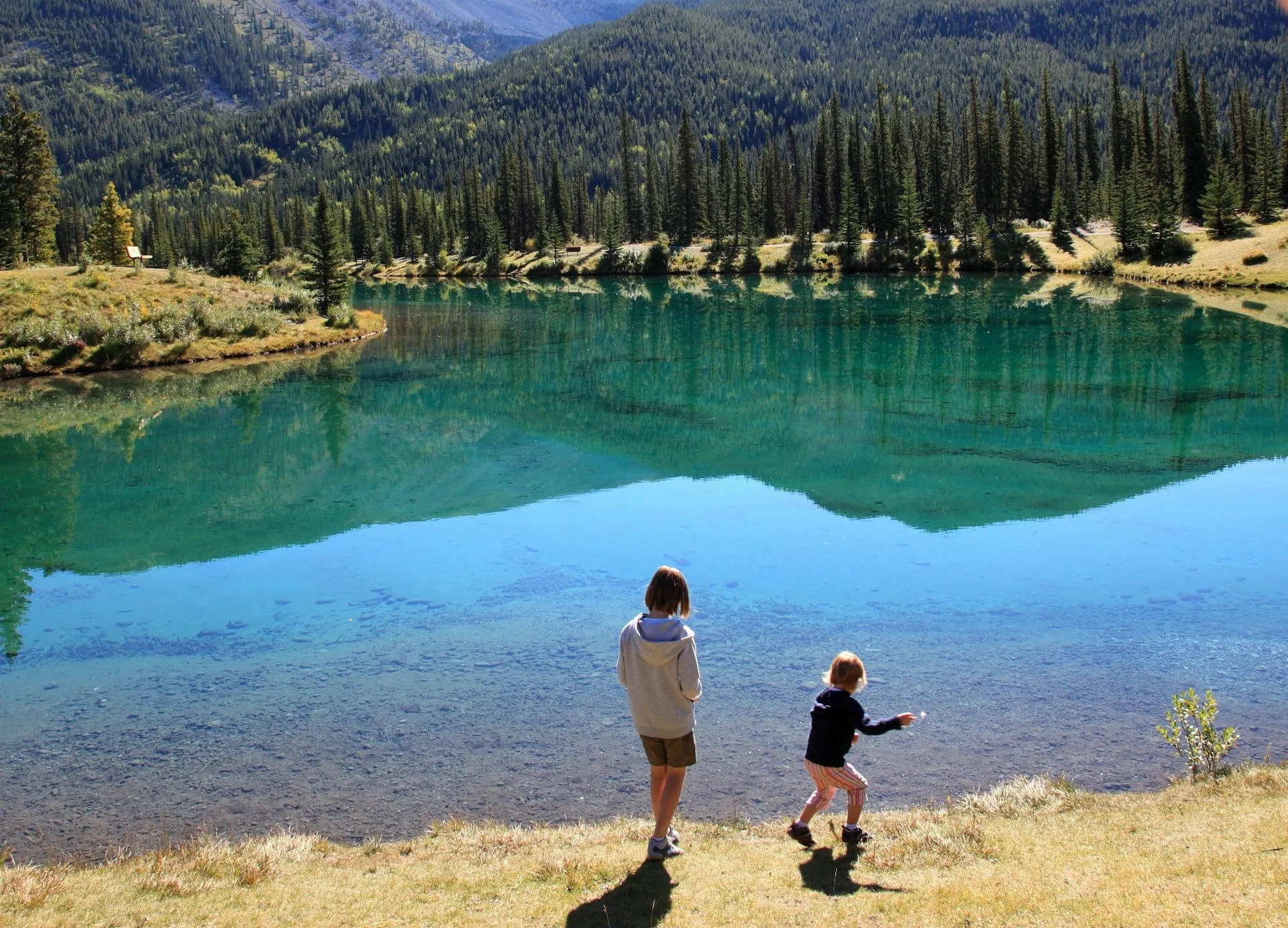
Looking back, the passes were the easy part. What made the week work was saying no to things: no third pass, no five-hour transfer day, no restaurant at the summit at noon. We came home with fewer photos of hairpins and a lot more of two muddy children at a lake, and nobody was sick in the car once.
Sources & further reading
We check the facts in this guide against official sources and note when we last updated it.
Questions we get asked
Which Alpine passes are easiest for children who get car sick?
We had the best luck with wide, well-surfaced toll roads such as the Gerlos Alpine Road, which has a maximum gradient of nine percent, and the Grossglockner High Alpine Road taken slowly with lots of stops. Narrow old passes with tight, unbroken hairpins were much harder on our kids.
Do children pay on Austrian toll roads?
Not in a car. The Grossglockner and Gerlos tickets are priced per vehicle, so the whole family travels on one ticket. Check the official price pages before you go, since rates change each season.
How long should a family driving day in the Alps be?
We aim for under two hours of driving, with one planned stop in the middle and a base we stay at for two nights. Mountain roads are slow, and a 60 km day can easily take most of a morning once you add photo stops and snacks.
Keep reading
Routes
A week in the Dolomites by car
Seven slow days on the Great Dolomite Road, from Bolzano to Cortina and up to the Tre Cime - plus the booking rules that now decide whether you get up the famous roads at all.
Routes
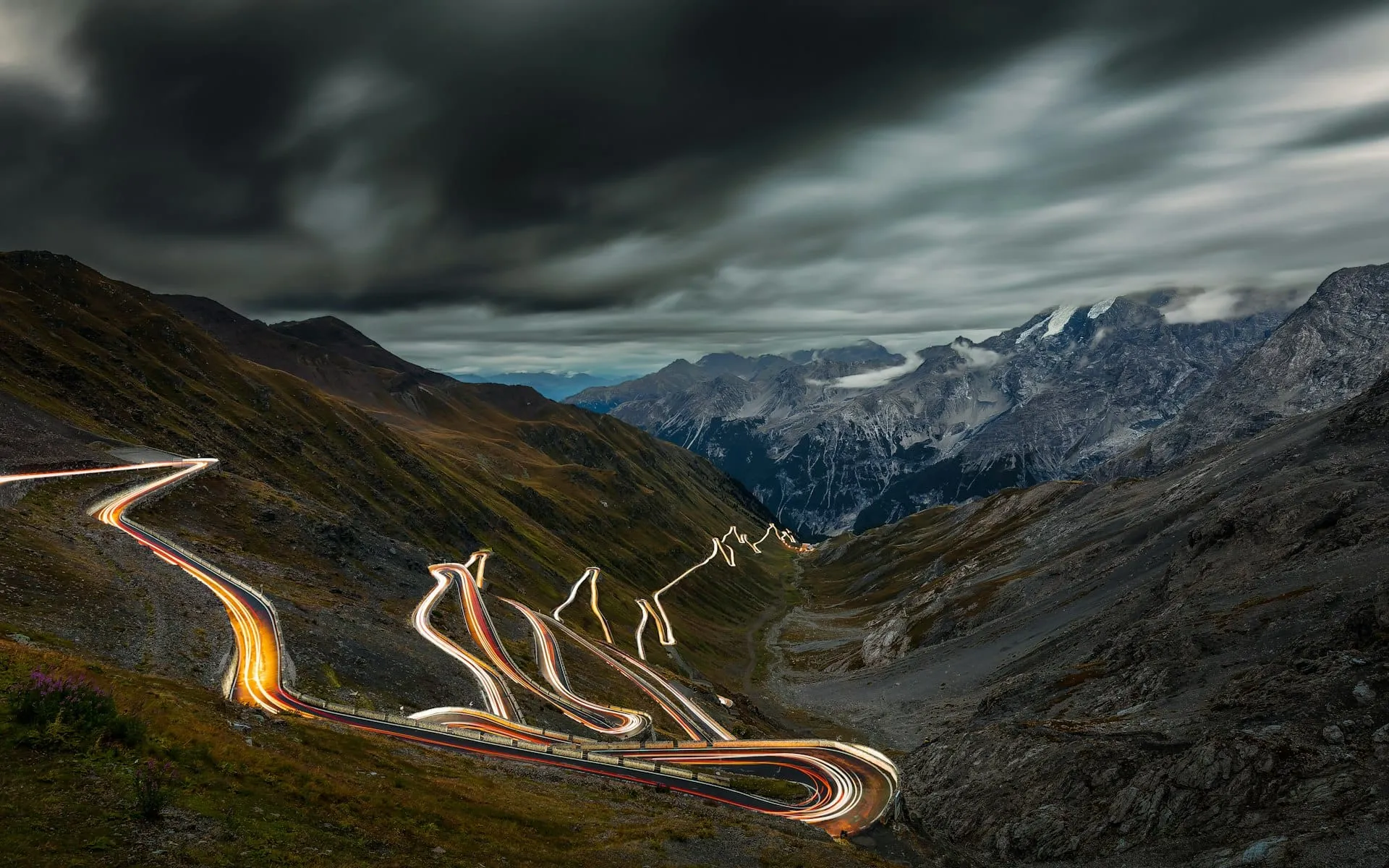
Ten days on the great Alpine passes: Stelvio, Grossglockner and the Dolomites
A slow, switchback-heavy loop through the Italian and Austrian Alps - how we planned it, what each pass is really like to drive, and what it costs.
Routes
Crossing the Pyrenees: coast to coast on the mountain roads
Seven days from Hendaye to Cerbère over the Tourmalet, Aubisque and Envalira, dipping into Spain and Andorra - our route, the col heights, and the rules that changed in 2026.