Up the Atlantic in a van: Portugal to Brittany in three unhurried weeks
Following the coast north from Lisbon to the granite headlands of Brittany - surf towns, pine forests and where we actually slept, in a route built for a slow van.

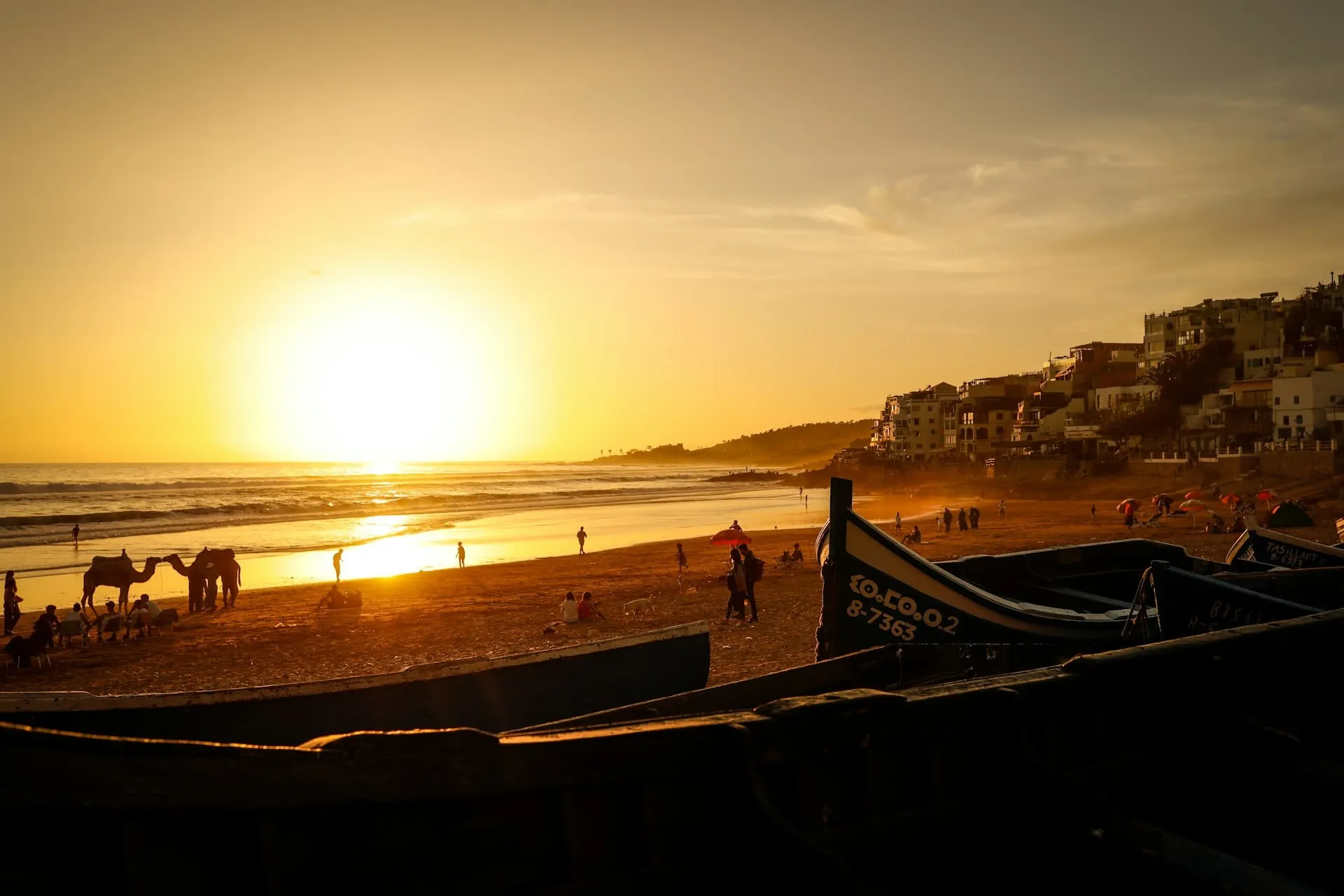
This is the trip that made us fall for van travel. Three weeks, one coastline, and a rule we borrowed from a Portuguese surfer on night two: never drive past a beach you'd regret not stopping at. We went north with the sun on the passenger side the whole way, from Lisbon to the far granite tip of Brittany, and barely touched a motorway.
The shape of the coast
The Atlantic edge changes character as you climb it, and the route is really about giving each stretch the days it deserves - surf and cliffs in Portugal, wide pine-backed beaches through the Landes, then the wilder, cooler drama of the Breton headlands. We averaged under two hours' driving a day and were never bored.
Silver Coast fishing towns, Nazaré's giant-wave beach, and the vineyards of the Douro as a detour inland.
Cross into Spain for the seafood of the Rías Baixas, then up through the Basque Country into France's endless Atlantic pine belt.
Salt marshes, oyster beaches and finally the granite finger of the Crozon peninsula, where the Atlantic gets serious.
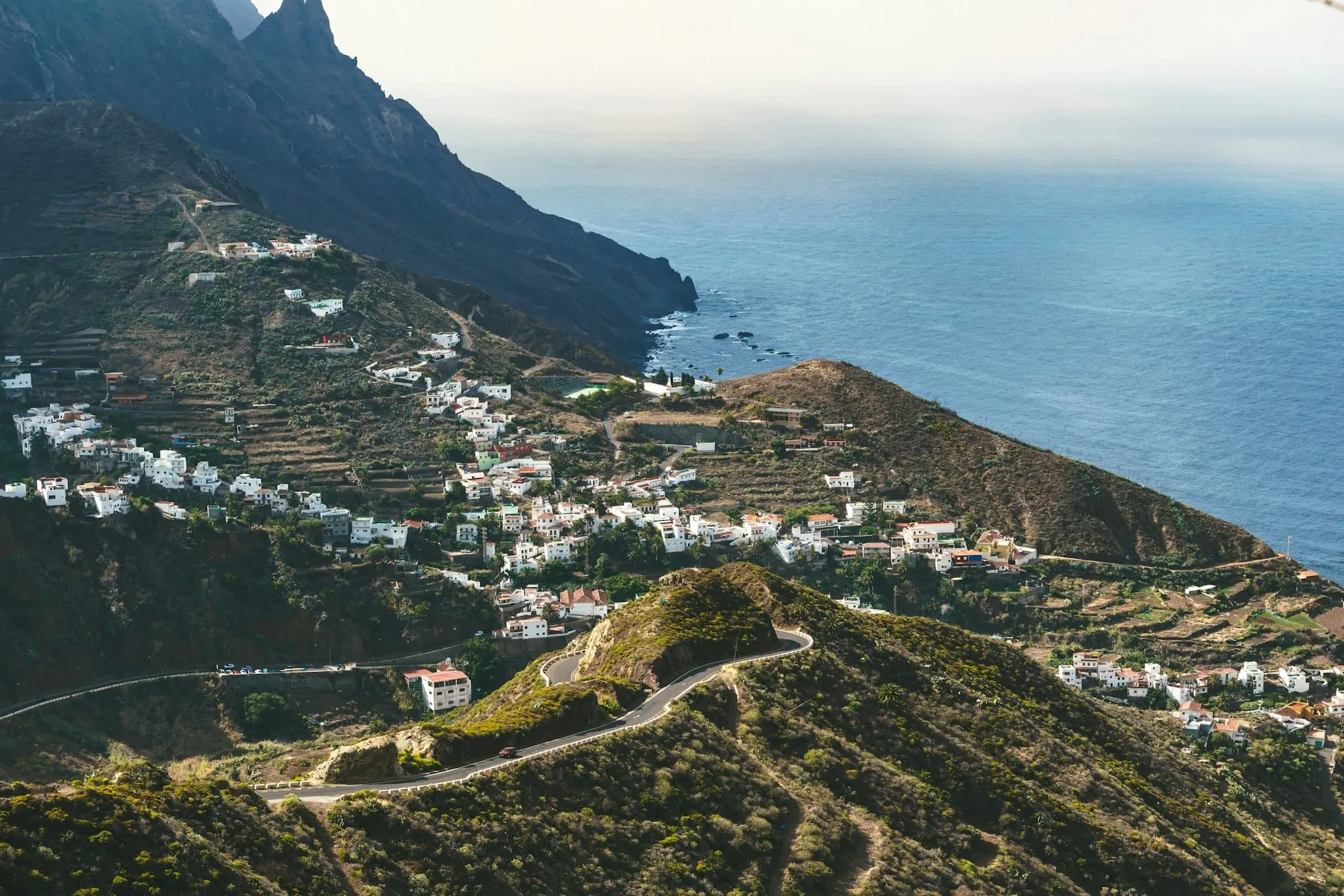
Spring and autumn are the sweet spot: the light is long, the water is swimmable by Portuguese standards, and you're not fighting August for a parking space. Go slow, cook with what the markets give you, and let the coast set the pace.
Sources & further reading
We check the facts in this guide against official sources and note when we last updated it.
Questions we get asked
Do I need a self-contained campervan for this route?
It helps, but it isn't essential. The coast is well served by campsites and official aires with water and waste facilities, so a simple van or even a car-and-tent setup works if you plan your stops. What matters is having somewhere legitimate to sleep each night rather than relying on wild camping, which is restricted along much of this coast.
How much of it can I do without motorways?
Almost all of it, and that's the point. The coastal and country roads are the trip; we only used motorways to skip a dull industrial stretch or make up a day. It's slower and uses more fuel per hour, but the payoff is the villages, viewpoints and beaches you'd never see from the toll road.
Keep reading
Routes
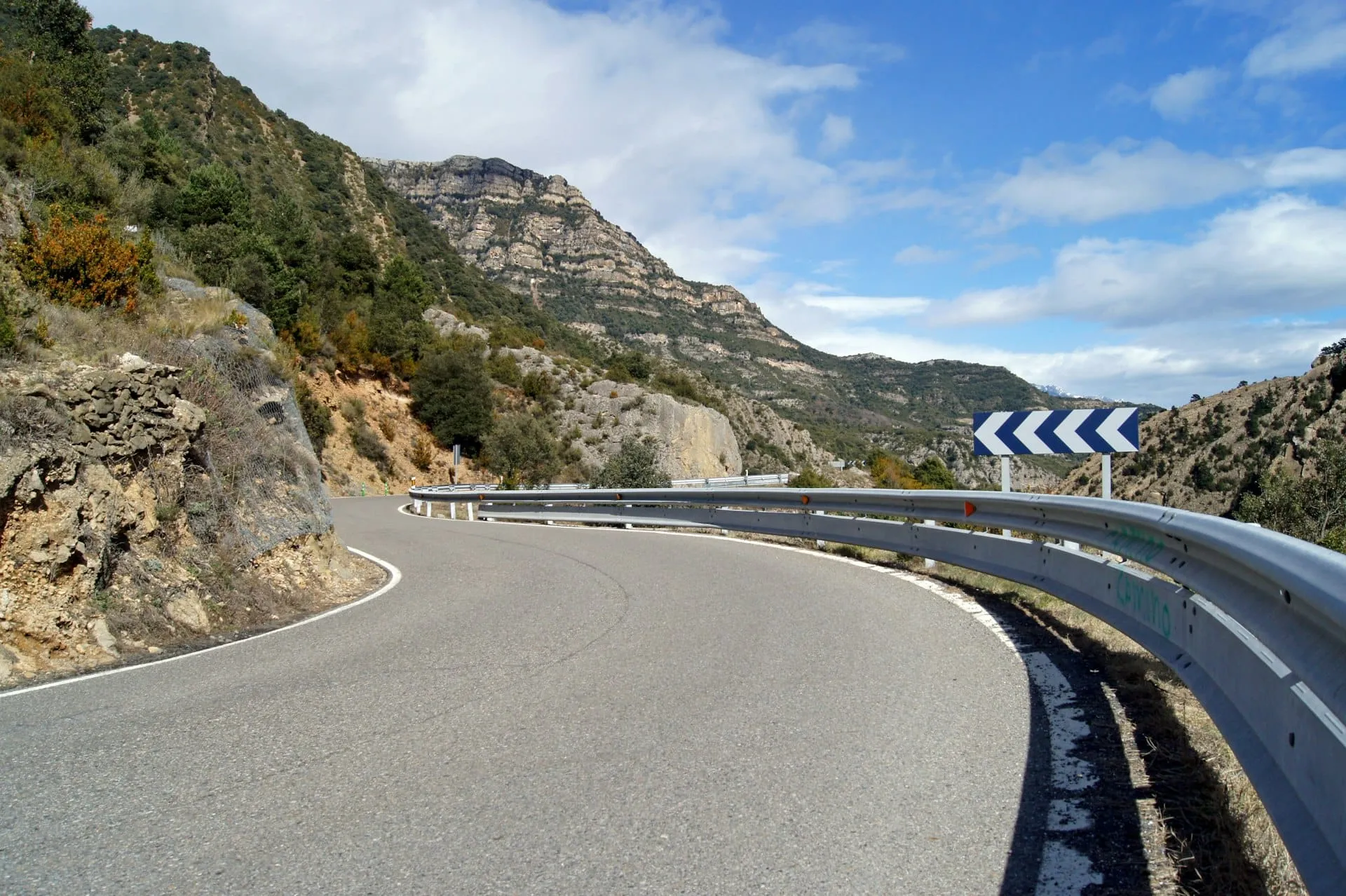
Crossing the Pyrenees: coast to coast on the mountain roads
Seven days from Hendaye to Cerbère over the Tourmalet, Aubisque and Envalira, dipping into Spain and Andorra - our route, the col heights, and the rules that changed in 2026.
Country guides
Driving in France: tolls, Crit'Air and the good roads
What the autoroute actually costs, why a sticker you order by post decides whether you can enter Paris or Lyon, and the free roads we take instead when the day allows it.
Practical
What a month on the road actually costs
Thirty-one days, four countries, 4,300 km and one diesel van: our real spend, line by line, and the costs you can price before you leave.